
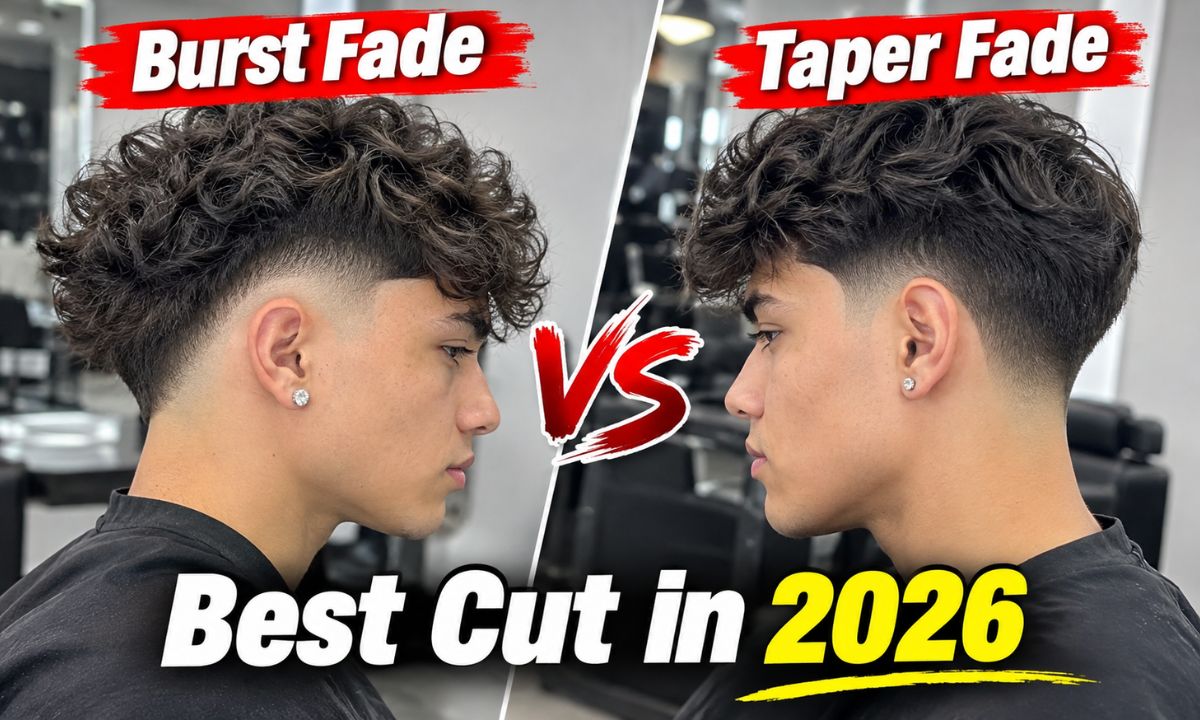
A burst fade curves around the ear in a half-circle, leaving more length at the back and nape. It works best for curly, wavy, or thick hair, giving a bold, rounded look that pairs well with a longer top or mohawk.
A taper fade is the softer, classic choice, shortening the hair gradually along the sideburns and neckline. It suits almost every hair type and looks neat in professional settings. Tell your barber how short you want the sides and how much length to keep on top.
Burst Fade vs Taper: Ear, Temple and Nape Views
The biggest difference shows around the ear. A burst fade curves around the ear in a half-circle shape. A taper fade follows the natural hairline and stays straight.
At the temple, a taper fade blends down in a clean, even line. A burst fade drops sharply and leaves more length on top and at the back.
At the nape, a taper fade shrinks the hair slowly toward the neckline. A burst fade keeps more weight at the back, which is why it pairs well with longer styles.
| Area | Taper Fade | Burst Fade |
| Ear | Straight, follows hairline | Curved around the ear |
| Temple | Soft, even blend | Sharp drop-off |
| Nape | Gradual shortening | Keeps more length |
| Overall look | Clean and classic | Bold and modern |
What is a taper?
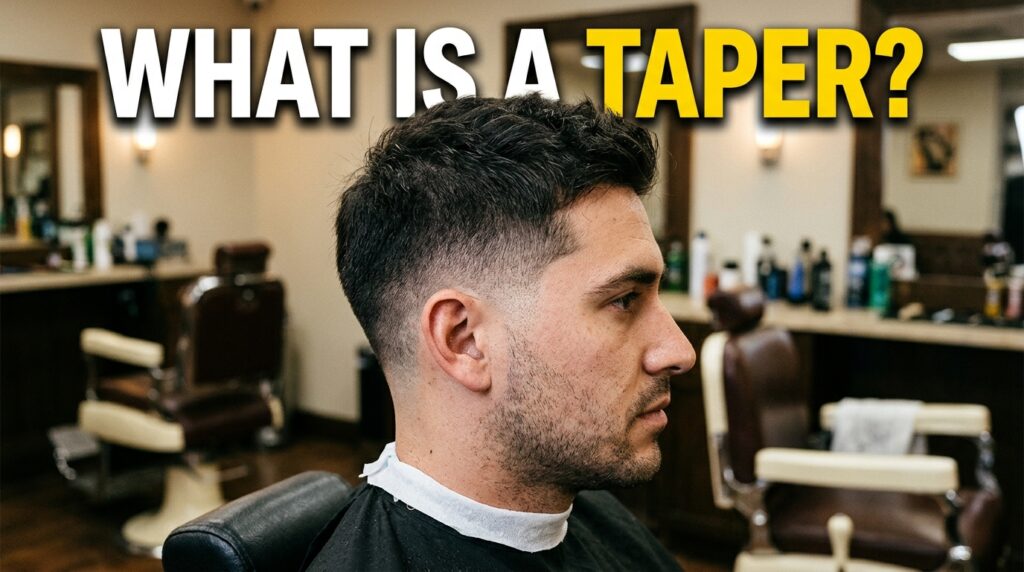
A taper is a haircut where the hair gets shorter toward the neck and sides. The change in length is slow and smooth. It does not cut too deep into the skin.
Most men choose a taper because it looks neat and safe. It works for office, school, and weddings. You can wear it with short hair or long hair on top.
A taper keeps your natural hairline. That makes it easy to grow out and easy to fix.
What is a burst fade?
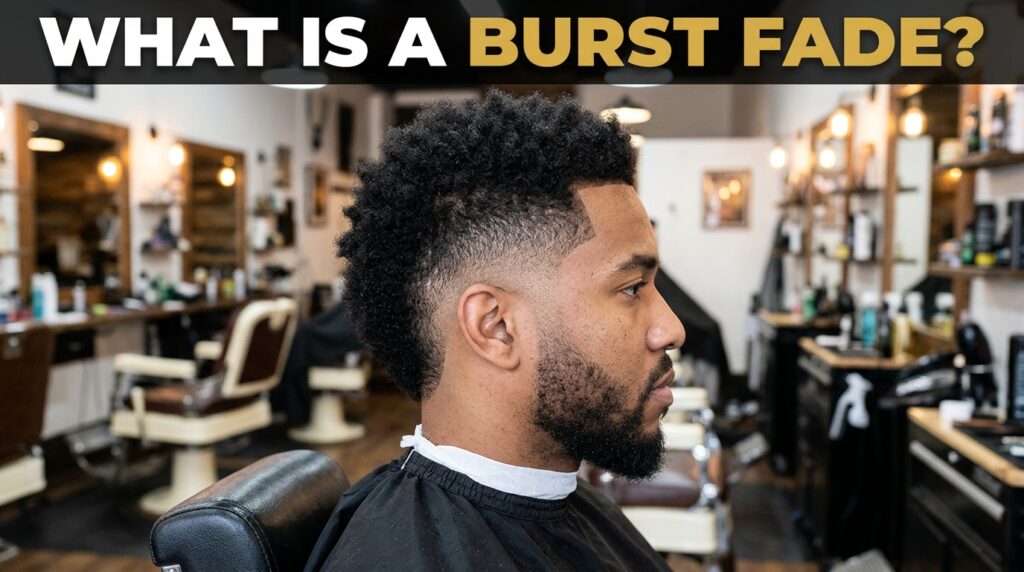
A burst fade is a fade that “bursts” outward around the ear. The shape looks like a small arc or semicircle. The sides fade down fast, while the back stays longer.
This cut became popular with mullets, curly tops, and textured styles. It gives a strong, trendy look. It also adds contrast between the short sides and the fuller back.
A burst fade needs a skilled barber. The curve must be even on both sides, or the cut looks off.
What Does “Burst Taper” Mean?
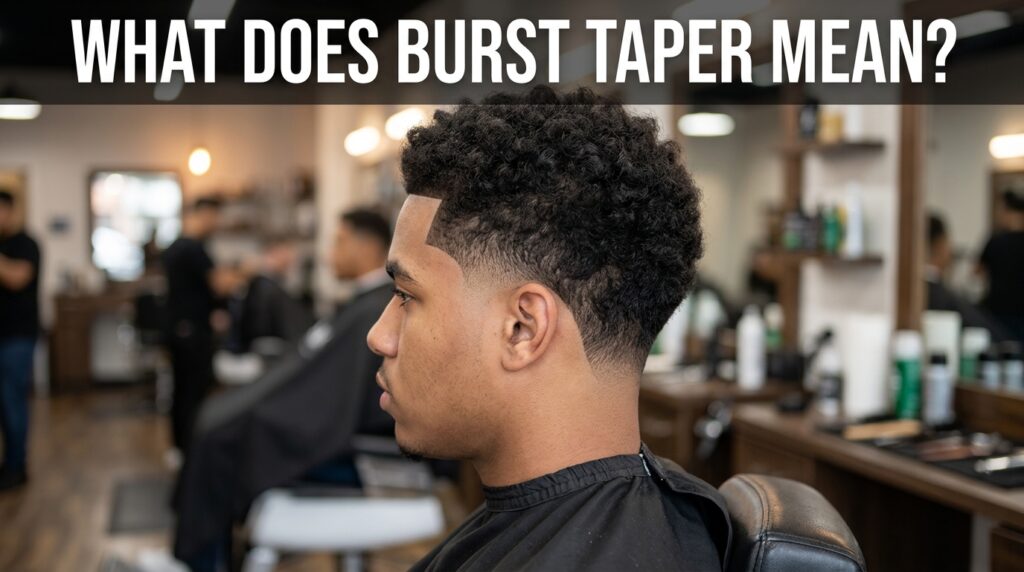
A burst taper mixes both styles. It keeps the curved shape of a burst fade but uses the softer blend of a taper. The result is less harsh than a full burst fade.
Think of it as the middle path. You get the curved ear detail without very short skin sides. It suits men who want a modern cut that still looks neat.
Many barbers use the names burst taper and burst taper fade for the same haircut. If you ask for it, show a photo to be safe.
Burst fade vs taper fade: which looks better for your hair texture?
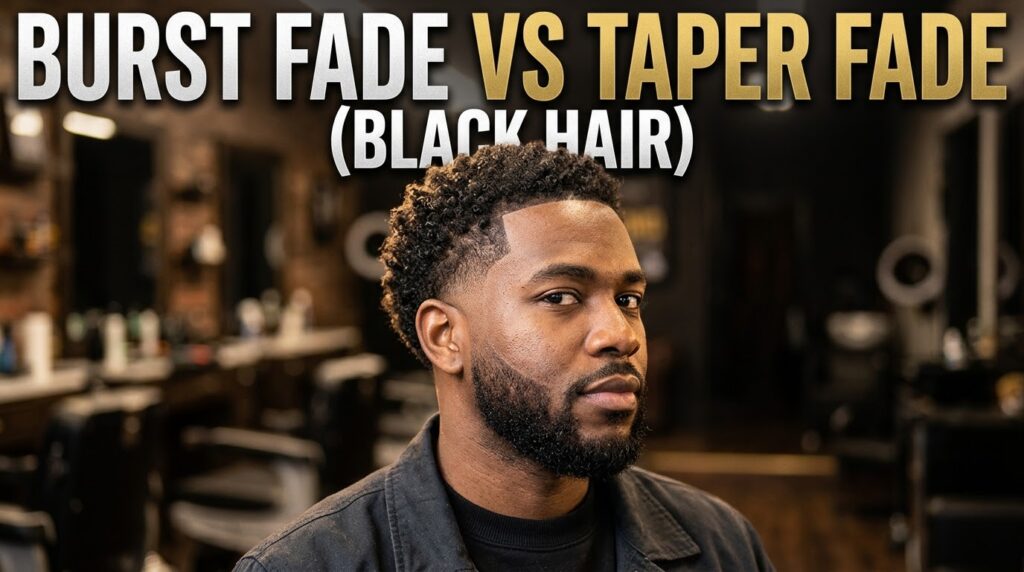
Hair texture matters a lot. The right cut makes your hair look thicker, neater, and easier to style. The wrong one can look flat or messy.
Here is a quick view before we go deeper.
| Hair Type | Better Choice | Why |
| Straight | Taper fade | Clean lines show clearly |
| Wavy | Burst fade or burst taper | Adds shape and volume |
| Curly | Burst fade | Frames curls nicely |
| Coily | Taper or burst taper | Sharp edges and good density |
Straight hair
Straight hair shows every line. A taper fade looks crisp and tidy on it. The smooth blend is easy to see.
A burst fade also works, but the curve is very visible. Any mistake shows more. Choose a skilled barber for this.
Wavy hair
Wavy hair loves a burst fade. The longer back and top give the waves room to move. The cut adds body without extra product.
A burst taper is a safe pick here. It adds shape but stays soft.
Curly hair
Curly hair looks great with a burst fade. The short sides push attention to the curls on top. The curved shape frames the face well.
Keep the top long enough to show the curl. About 3 to 5 inches works well.
Coily hair
Coily hair holds shape very well. A taper fade gives sharp edges and a clean finish. A burst fade adds a bold, stylish curve.
Many men like a burst taper on coily hair. It gives structure without cutting too low.
What about face shape?
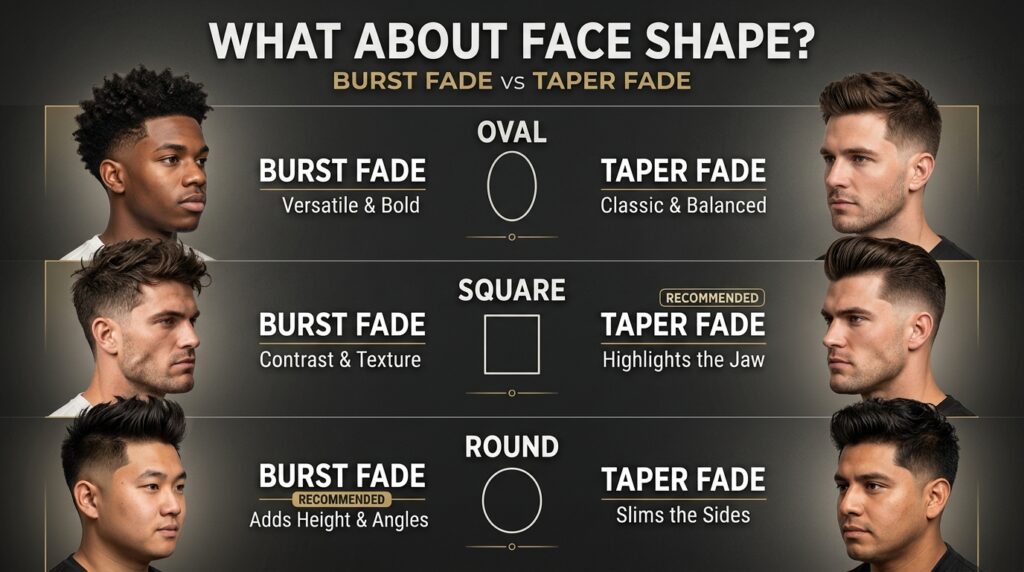
Face shape changes how a cut looks. The goal is to balance your features. Use this guide to pick.
| Face Shape | Best Option | Reason |
| Round | Taper fade | Adds length and structure |
| Oval | Both | Most cuts suit this shape |
| Square | Burst fade | Softens strong jaw lines |
| Long | Burst fade with side volume | Adds width |
| Heart | Low taper | Balances the chin |
A round face looks better with height on top and clean sides. A long face needs width, so a burst fade with fuller sides helps.
Which is more professional?
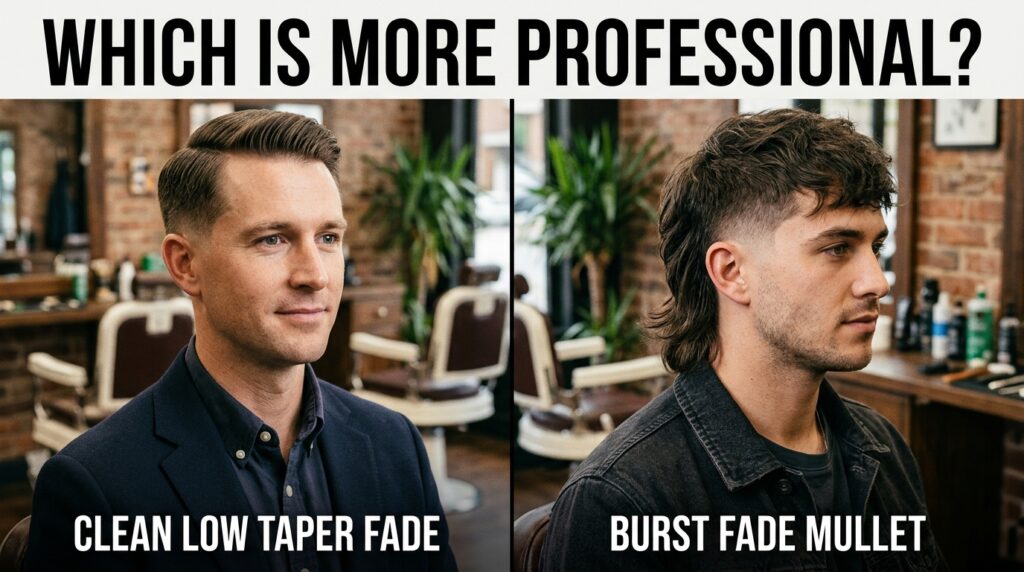
A taper fade is more professional. It looks simple, neat, and safe. Most workplaces accept it without any problem.
A burst fade is more stylish and bold. It can still work at the office if the sides are not too short. A burst taper is a good middle option.
If your job is formal, go with a low taper fade. If your work is creative, a burst fade is a great choice.
See More : High Taper Fade
Maintenance and grow-out

Both cuts need regular care. Fades grow out faster than regular cuts. Plan a visit every 2 to 4 weeks.
A taper is easier to maintain. It grows out in a natural way, so it never looks bad for long. A burst fade needs more visits because the curve loses shape fast.
- Visit your barber every 2 to 3 weeks for a burst fade
- Visit every 3 to 4 weeks for a taper
- Use a light cream or sea salt spray for texture
- Wash your hair 2 to 3 times a week
- Trim the neckline between visits
For grow-out, a taper wins. A burst fade grows into a mullet shape, which some people like.
What to tell your barber
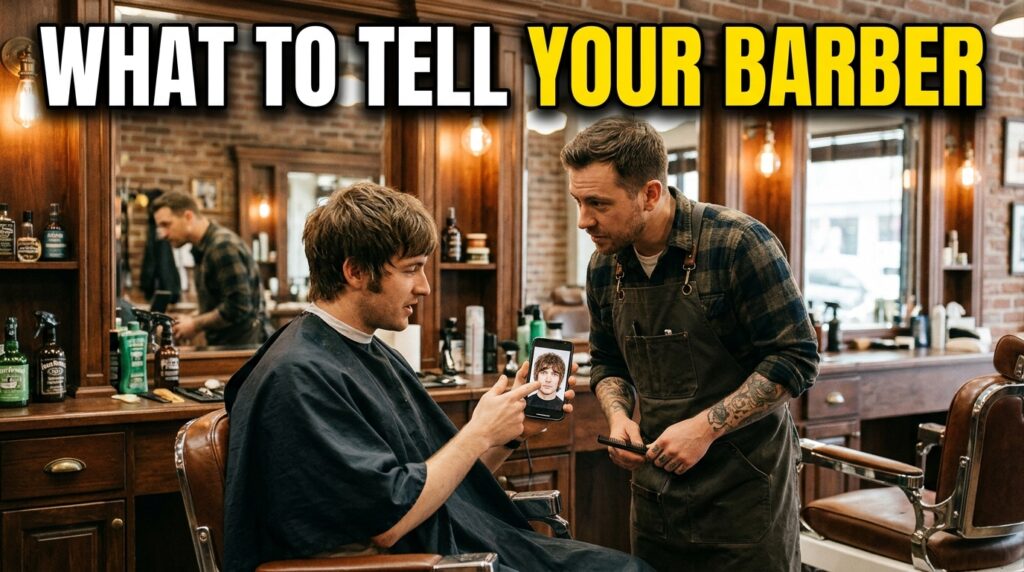
Clear words save you from a bad haircut. Barbers use special terms. Learn a few simple ones.
Say how short you want the sides. Say where the fade should start. Tell them if you want a curve at the ear or a straight line.
Photos are the best tool. Bring two or three pictures from the front, side, and back.
What to say in the chair (burst fade)
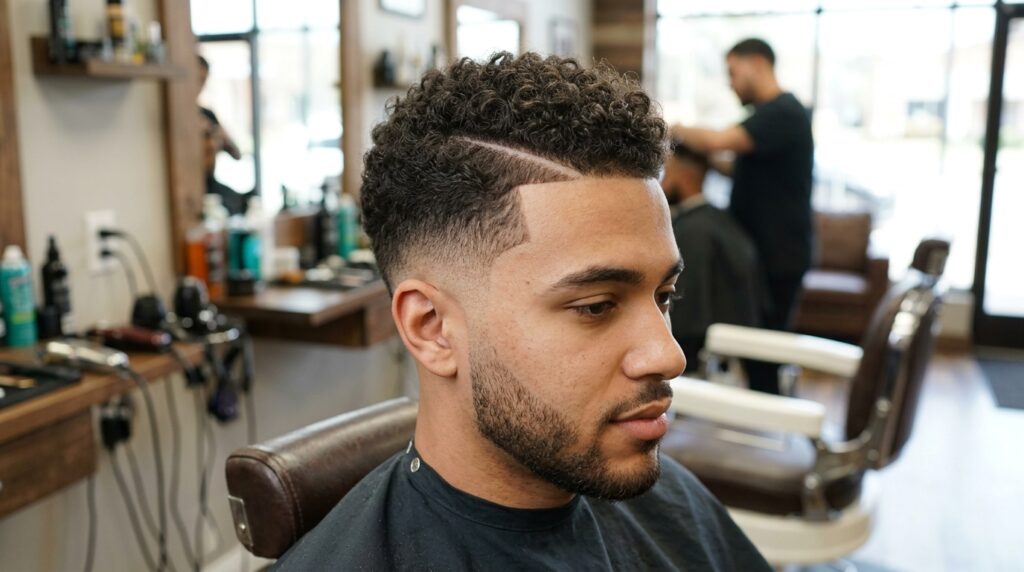
Try these simple lines:
- “I want a burst fade with a low start.”
- “Keep the length on top and the back.”
- “Fade the sides short, but not to the skin.”
- “Make the curve even on both ears.”
What to say in the chair (taper fade)
If you want a taper, say this:
- “I want a low taper fade with a clean neckline.”
- “Follow my natural hairline.”
- “Keep the top about 3 inches.”
- “Blend the sides slowly.”
Common mistakes
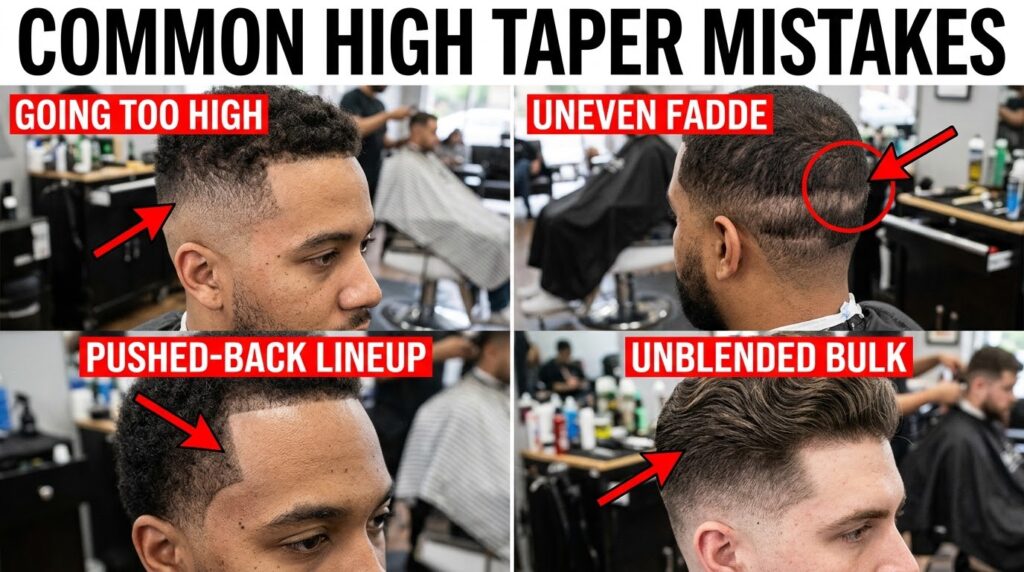
Many men make the same errors. Avoid these and your cut will look better.
- Asking for a “fade” without saying which type
- Going too high when you want a clean look
- Skipping photos
- Ignoring your hair texture
- Waiting too long between cuts
- Choosing a burst fade with thin hair on top
Another common mistake is picking a trend that does not suit your face. Always choose what works for you.
Compare your preferences
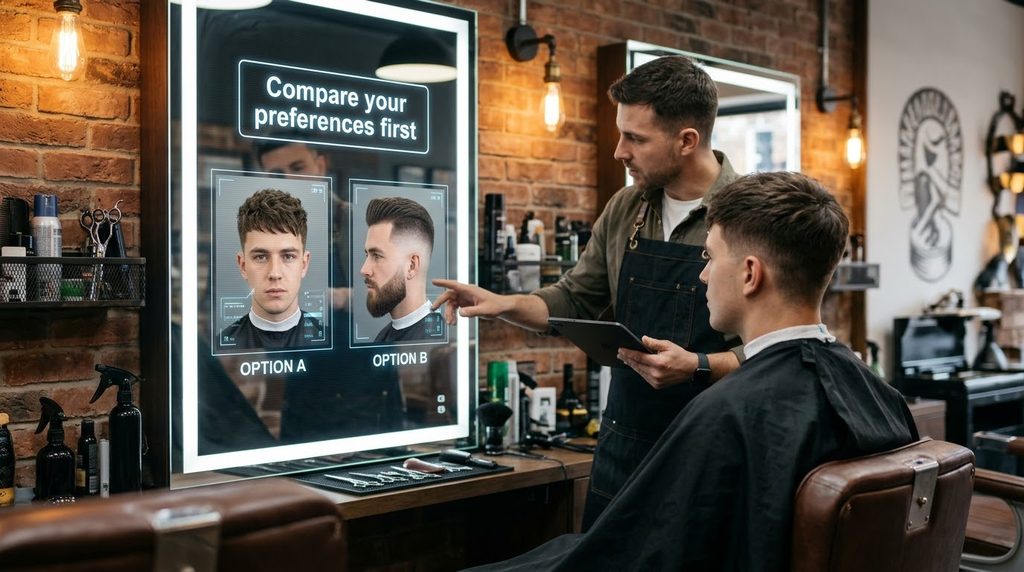
Use this table to decide fast.
| If You Want | Choose |
| Clean and safe | Taper fade |
| Bold and trendy | Burst fade |
| Middle ground | Burst taper fade |
| Easy upkeep | Taper fade |
| Mullet style | Burst fade |
| Office friendly | Low taper fade |
Think about your job, your hair type, and your time. Then pick the cut that fits your life.
Taper Fade vs Burst Fade
Taper fade vs burst fade comes down to shape. A taper fade is straight and subtle. A burst fade is curved and strong.
Choose the taper for a classic look. Choose the burst for a modern one.
Taper vs Burst Fade
Taper vs burst fade is also about length. A taper keeps hair longer near the neck. A burst fade cuts the sides short and keeps volume at the back.
A taper looks calm. A burst fade makes a statement.
Burst Fade vs Taper Fade
Burst fade vs taper fade is a popular search in 2026. People want to know which is better. The answer depends on style, hair type, and work.
Neither is the winner for everyone. Each one has its own strengths.
Burst Taper Fade
A burst taper fade blends both cuts. You get a soft curve and a smooth blend. It is easy to wear and easy to style.
It works on most hair types. It is a safe pick if you are unsure.
Taper Burst Fade
Taper burst fade is another name for the same idea. Some barbers say it in this order. The meaning stays the same.
Ask your barber to show you the shape before they start cutting.
Low Burst Fade
A low burst fade starts near the ear and neck. It keeps most of the sides intact. It looks subtle and neat.
This version suits office jobs and school. It also grows out well.
Burst Fade Mullet
The burst fade mullet is one of the hottest looks right now. The sides are short and curved. The back grows long and flowing.
It works best with wavy or curly hair. Use a texture spray to style it. Keep the back trimmed so it does not look messy.
Burst Fade Low Taper
Burst fade low taper combines a curved ear shape with a low, soft fade. It gives you a clean look with a little edge.
It is a great pick for men who want something stylish but not too loud.
Low Taper Fade
A low taper fade is the safest of all. It starts low near the ear and neck. The change in length is small and smooth.
It suits every face shape and every job. It is also the easiest to maintain.
Burst Fade vs Taper Fade Black
Many Black men choose between these two cuts. Both look excellent on coily and curly hair. A taper gives sharp edges and a classic finish. A burst fade adds a bold, modern shape.
A burst fade works well with twists, curls, and a high-top. A taper works well with waves, a short crop, or a line-up. A skilled barber who knows textured hair makes the biggest difference.
Burst Taper Fade on All Textures
A burst taper fade works on all textures. On coily hair, it keeps edges crisp. On straight hair, it adds shape and movement.
Ask your barber to keep the fade mid-low. This gives the best balance of style and ease.
Burst Fade Vs Taper Fade Mullet
For a mullet, a burst fade is usually better. The curve frames the ears and lets the back hair flow. It creates a strong contrast.
A taper fade mullet looks cleaner and softer. It is better for work and everyday wear. Pick the burst for style and the taper for ease.
Burst Fade vs Taper Fade Straight Hair
Straight hair needs a precise cut. A taper fade is the safer option. It looks clean and shows no harsh lines.
A burst fade can still look great. Keep the top thick and add a little texture product. Make sure the curve is smooth, or the shape will look uneven.
The Final Choice
The final choice is simple. Pick a taper fade if you like neat and classic. Pick a burst fade if you want bold and trendy. Pick a burst taper if you want both.
Your hair type, face shape, and lifestyle should guide you. Try one, and adjust at your next visit.
Frequently Asked Questions
What is the main difference between a burst fade and a taper fade?
A burst fade curves around the ear in a semicircle. A taper fade follows the natural hairline in a straight, smooth line.
Which is better, a burst fade or a taper fade?
A taper fade is better for a clean, classic look. A burst fade is better for a bold, trendy style.
Is a burst fade good for curly hair?
Yes. A burst fade frame curls well and adds shape. Keep the top a few inches long to show the curl.
Is a taper fade more professional than a burst fade?
Yes. A taper fade looks neater and suits most offices. A low burst fade can also work in many workplaces.
How often should I cut a burst fade?
Visit your barber every 2 to 3 weeks. The curved shape fades out quickly.
What is a burst taper fade?
A burst taper fade mixes a curved ear shape with a soft taper blend. It is less harsh than a full burst fade.
Which haircut is best for a mullet, burst fade or taper fade?
A burst fade is usually best for a mullet. It adds contrast and frames the longer hair at the back.
Final Thoughts
Both a taper fade and a burst fade are great picks in 2026. The taper gives you a clean, professional look that works in any setting, while the burst fade adds a bit of energy and a modern edge around the ears.
The best cut is the one that suits your hair type and your daily routine. Bring a few reference photos to your barber, explain how much styling time you want to spend, and trust their input. A good haircut starts with clear communication.

Ronan Mercer is a measurement focused content writer and researcher at Only Faxhion. He creates clear, practical articles about units, sizes, dimensions, conversions, and measurement concepts, helping readers understand everyday measurement topics through well researched and easy to follow explanations.