
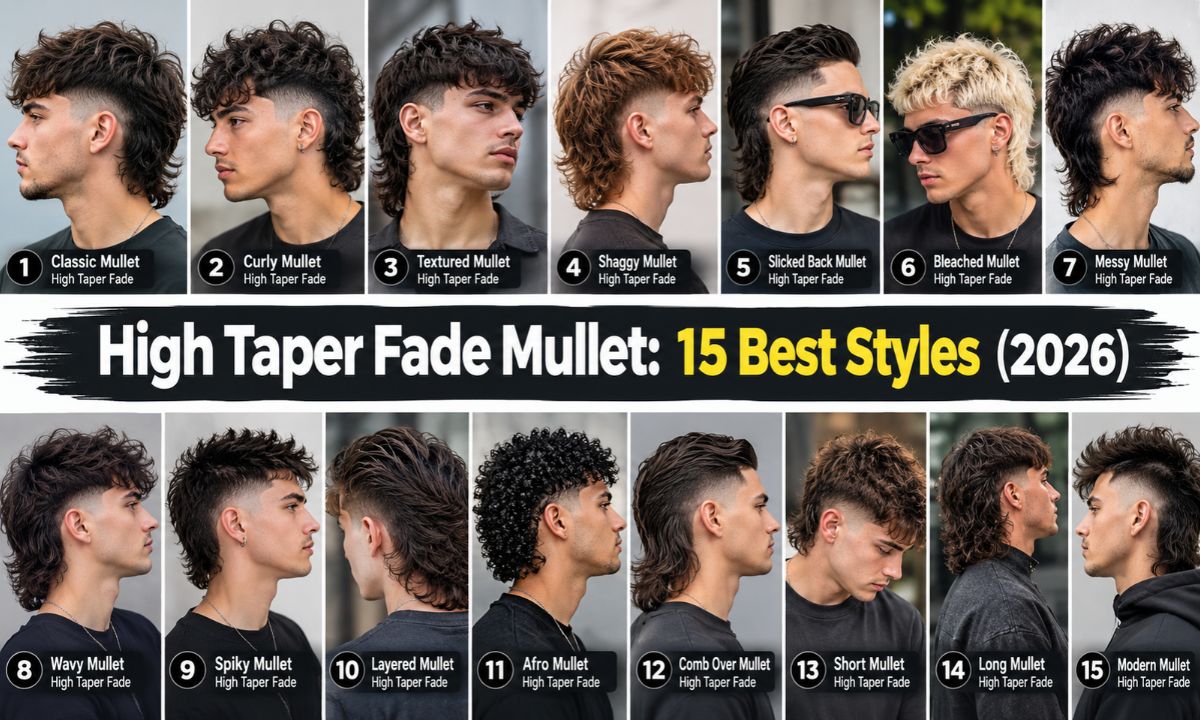
The high taper fade mullet is one of the sharpest haircuts for men right now. It keeps the sides short and clean, then lets the back grow long and loose. You get a bold look that still feels neat and modern.
This guide tells you what the cut is, who it suits, and how to ask for it. You will also learn how to style it, how often to trim it, and how to grow it out. Every section is short and simple, so you can find what you need fast.
What is a high taper fade mullet?
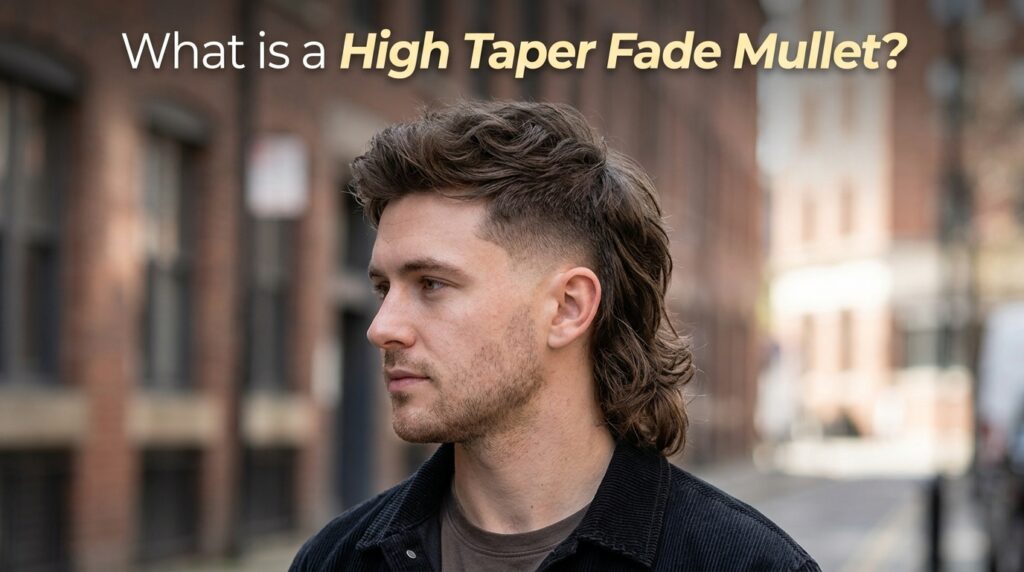
A high taper fade mullet is a haircut with short, tapered sides and a longer back. The taper starts high on the head, near the temple. The top is usually textured, and the hair at the neck stays long.
It is the classic mullet idea, but cleaner. The old mullet was messy and uneven. The modern version uses a smooth blend on the sides and a shaped tail at the back. That makes it easy to wear in 2026.
People search for this haircut in many ways. You may see it called a mullet with high taper, a high taper fade with mullet, or a mullet high taper. Others say high taper fade mullet or high taper mullet. All of these names point to the same idea: a high, clean taper with a mullet back.
What does “high taper fade” actually mean?
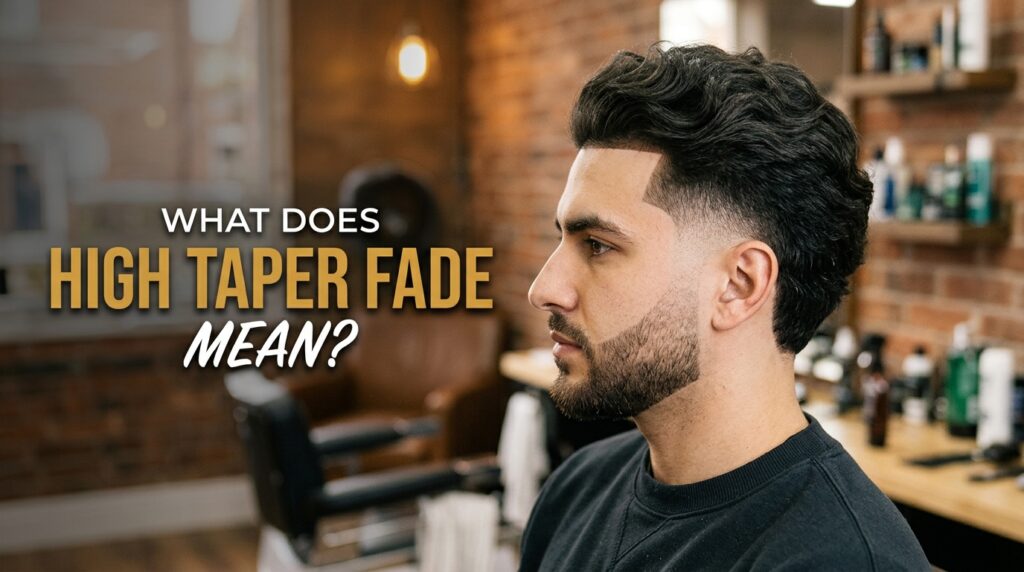
A taper is a slow change in hair length. The hair is longer at the top and gets shorter as it moves toward the ears and neck. In a high taper, this change starts up high, close to the temple.
A fade goes a step further. It blends the hair down to a very short length, and sometimes to bare skin. A taper fade keeps a thin layer of hair at the bottom. That is why a high taper fade looks sharp but not fully bald on the sides.
| Term | Simple meaning |
| Taper | Hair gets shorter in a gentle, gradual way |
| Fade | Hair blends to a very short length or skin |
| High taper | The change starts near the temple |
| Taper fade | A taper with a closer cut at the bottom |
The result is a clear frame around your face. The sides look tidy. The top and back get all the attention.
Tapers are also gentler than harsh skin fades. The hair at the bottom is short, but it is not bare. This makes the cut look natural, and it hides small skin issues better. For many men, that is the main reason to choose a taper over a full fade.
What makes the haircut a mullet?
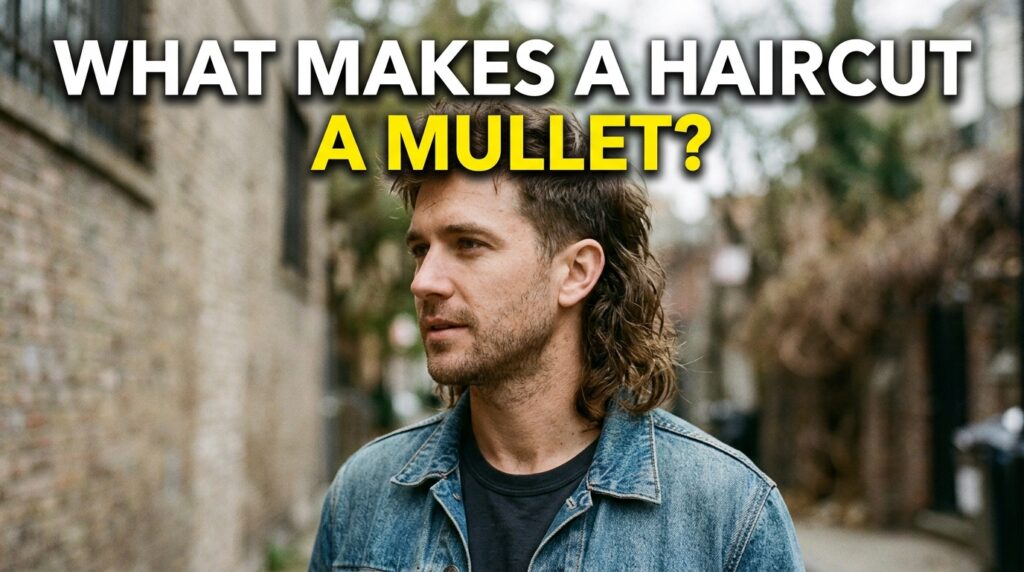
A mullet is short on the front and sides and long at the back. The length at the nape is the main feature. Without that longer back, the cut is just a taper.
Modern mullets are less loud than the old ones. They use clean fades, soft layers, and a tail with a neat shape. The back usually sits at the neck or just below the collar. The top can be messy, sleek, or textured, based on your taste.
Here are the main parts of a mullet:
- Short or tapered sides
- Longer hair at the back
- A layered or textured top
- A tail with a clean, shaped edge
Is a high taper fade mullet right for you?
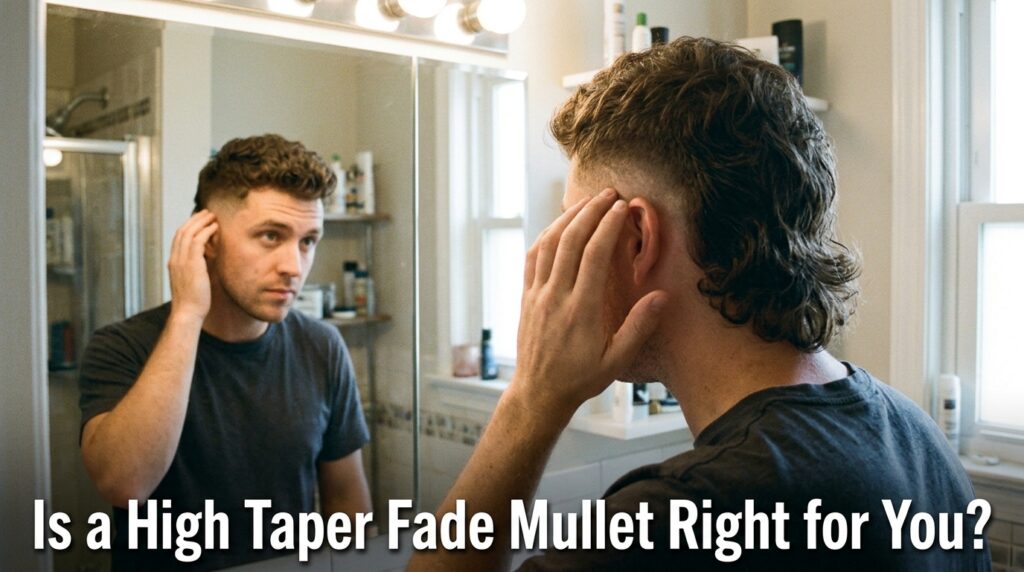
This cut works for many men, but it is not perfect for everyone. Your hair type, face shape, and daily routine all matter. A little planning helps you avoid a cut you will regret.
Think about how much time you want to spend on your hair. If you like quick routines, a shorter mullet may be better. If you enjoy styling and bold looks, a longer tail may fit you well.
Which hair types and densities suit it?
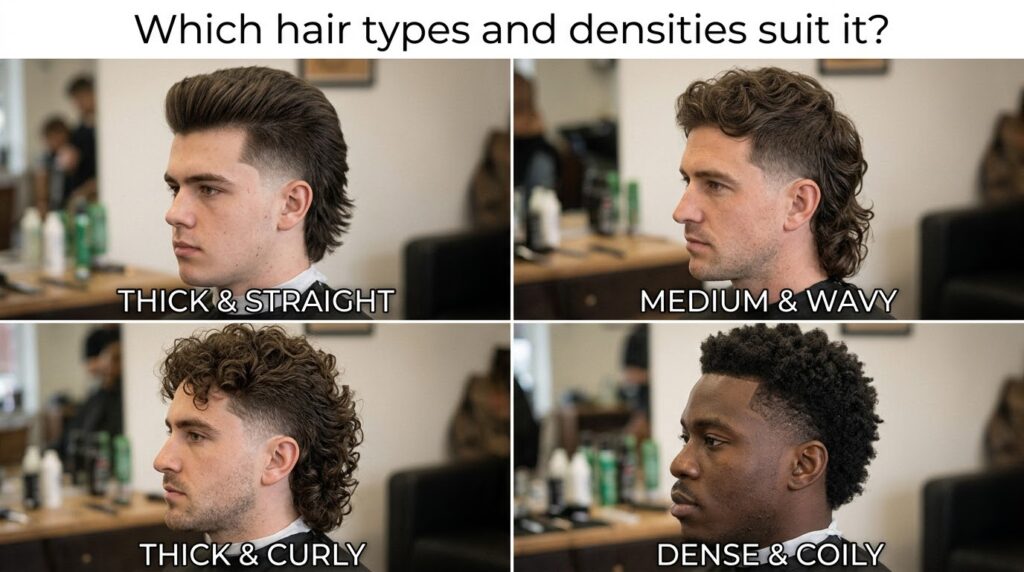
Thick hair holds shape well, so it suits this cut very well. The tail looks full, and the top keeps its texture. Medium hair also works well, especially with a light styling product.
Thin hair can still work. Keep the top a little shorter and use a texture spray for the body. Very fine hair can look flat in a long tail, so a shorter mullet is a smarter choice.
| Hair type | How it works with this cut |
| Thick | Holds shape and looks full |
| Medium | Easy to style and flexible |
| Thin | Works best with a short tail and texture spray |
| Wavy | Adds natural flow and body |
| Curly | Adds big volume and bounce |
| Straight | Looks sleek and clean with light layers |
How should face and head shape influence the cut?
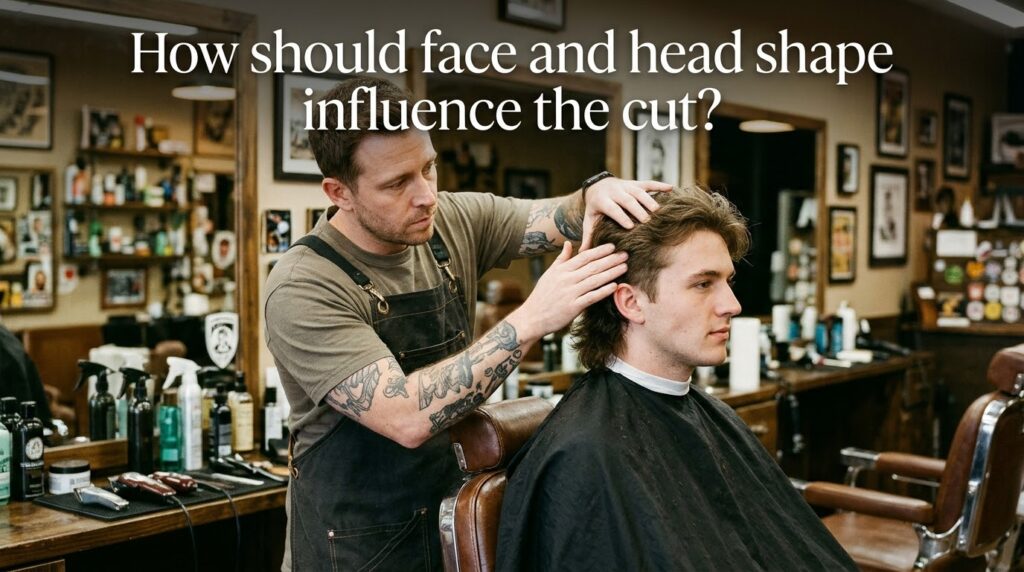
Face shape changes how the haircut looks. The goal is balance. Pick a style that adds what your face needs.
Round faces look better with height on top and a tight taper on the sides. Square faces handle sharp lines and longer tails very well. Oval faces suit almost every version. Long faces do better with a shorter top and a little more volume on the sides.
Quick pointers:
- Round face: add height on top
- Square face: keep the lines sharp
- Oval face: try any length
- Long face: avoid too much height
Head shape matters too. If you have a flat spot at the back, a longer tail can hide it. If your head has bumps or scars on the sides, ask your barber to check before going very short.
When is it a poor fit?
This cut may not be right if your hair is very thin at the crown. A high taper shows more of the scalp on the sides. A receding hairline can also look sharper with a high taper.
The cut also needs regular upkeep. If you hate going to the barber, the sides will lose their shape fast. Some workplaces and schools have strict rules about hair, so a bold mullet may not fit there.
Be honest with yourself. A cut you cannot keep neat will start to look messy in a few weeks. In that case, a low taper may be a better start.
Watch out for these warning signs before you book:
- Very thin or patchy hair at the crown
- A strong receding hairline at the temples
- A job or school with strict grooming rules
- No time or budget for visits every few weeks
If two or more of these apply, talk to your barber first. A softer version of the cut can still give you the mullet shape without the stress.
How does a high taper fade mullet compare with similar cuts?
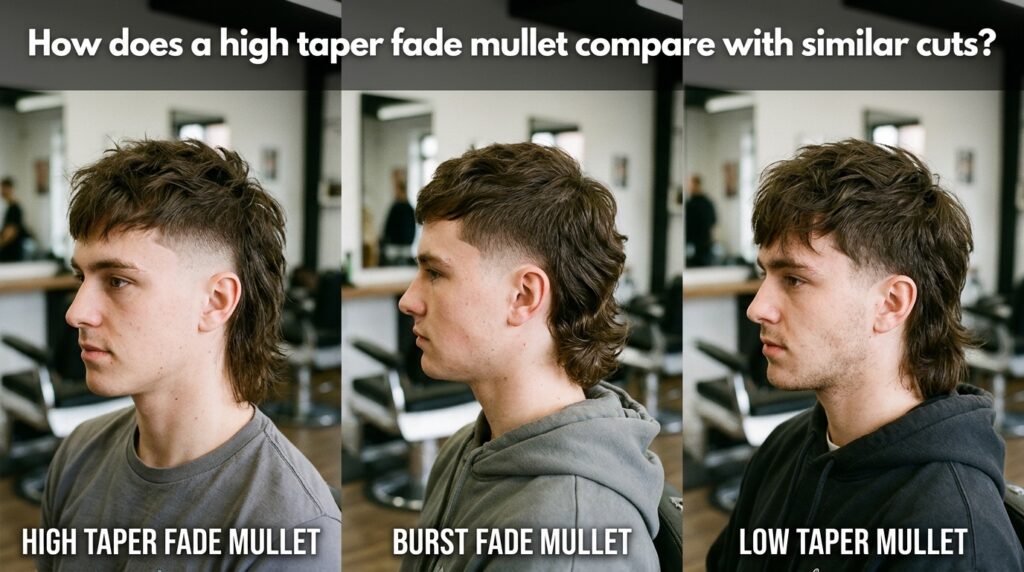
Many cuts look alike at first glance. The small differences are where the fade starts, how short it goes, and how the back is shaped. Knowing these differences helps you ask for the right cut.
This section breaks down the most common comparisons. It will help you pick the one that matches your goal.
High vs mid vs low taper mullet
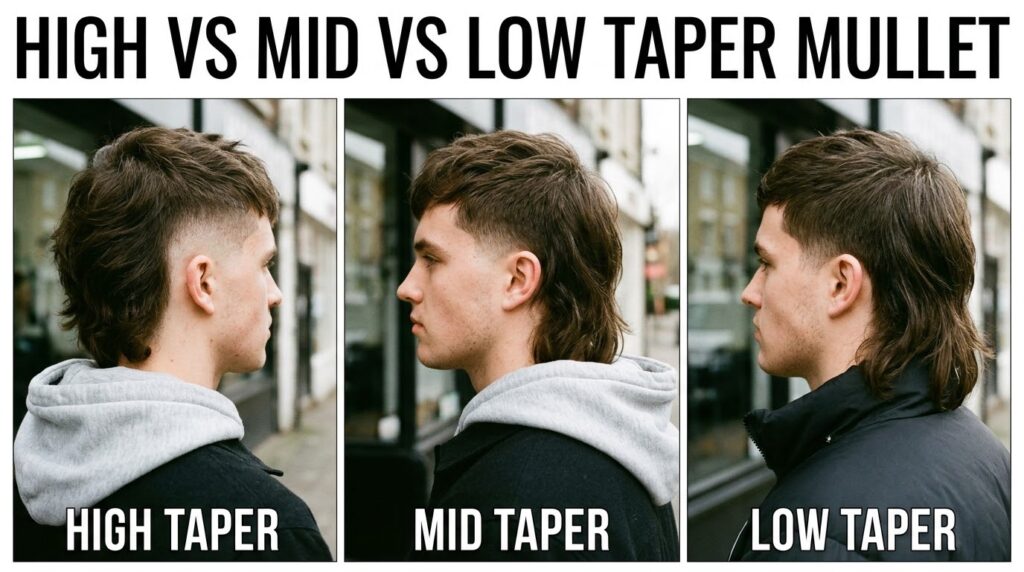
The main difference is where the taper starts. A high taper starts near the temple. A mid taper starts around the ear. A low taper starts near the bottom of the ear and the neck.
A high taper mullet is the boldest. It has the strongest contrast between the sides and the back. A mid taper mullet is more balanced and easier for daily life. A low taper mullet is the most subtle and often the safest for work.
| Cut | Starts at | Look | Best for |
| High taper mullet | Temple | Bold and sharp | Strong, modern style |
| Mid taper mullet | Ear level | Balanced | Everyday wear |
| Low taper mullet | Below the ear | Soft and subtle | Work and school |
Pick based on how much contrast you want. If you are unsure, start with a mid taper and go higher next time.
High taper fade mullet vs burst fade mullet
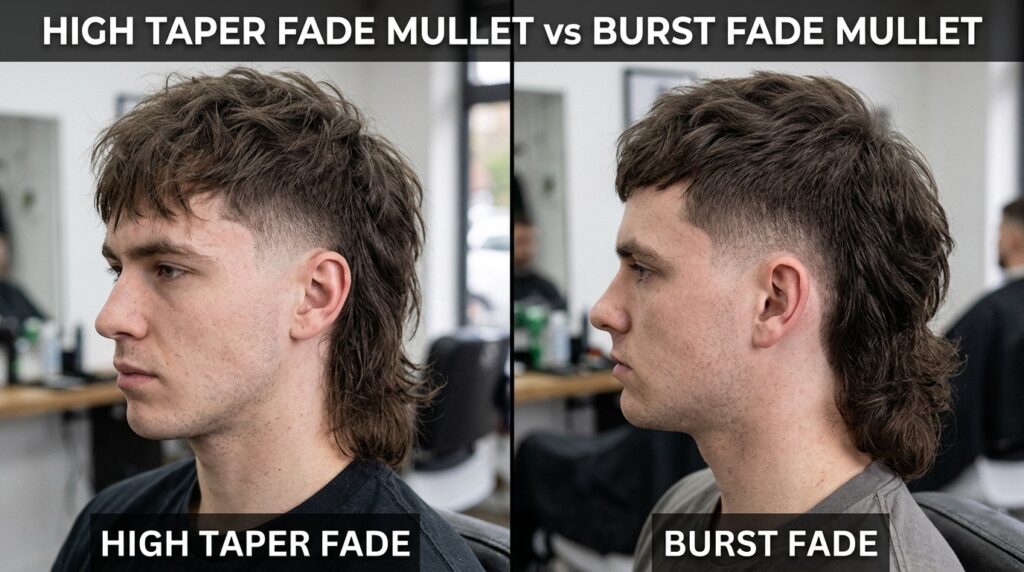
A burst fade curves around the ear in a half-circle shape. It leaves more length at the back, so it pairs very well with a mullet. The shape looks rounded and stylish.
A high taper fade mullet runs in a cleaner line around the head. It looks sharper and more formal. If you want a curved, modern shape, ask for a burst. If you want a crisp frame, choose the high taper.
Both options keep the long tail at the back. The difference is mostly in the shape around the ears and the neck.
High taper fade vs high skin fade, undercut mullet and wolf cut
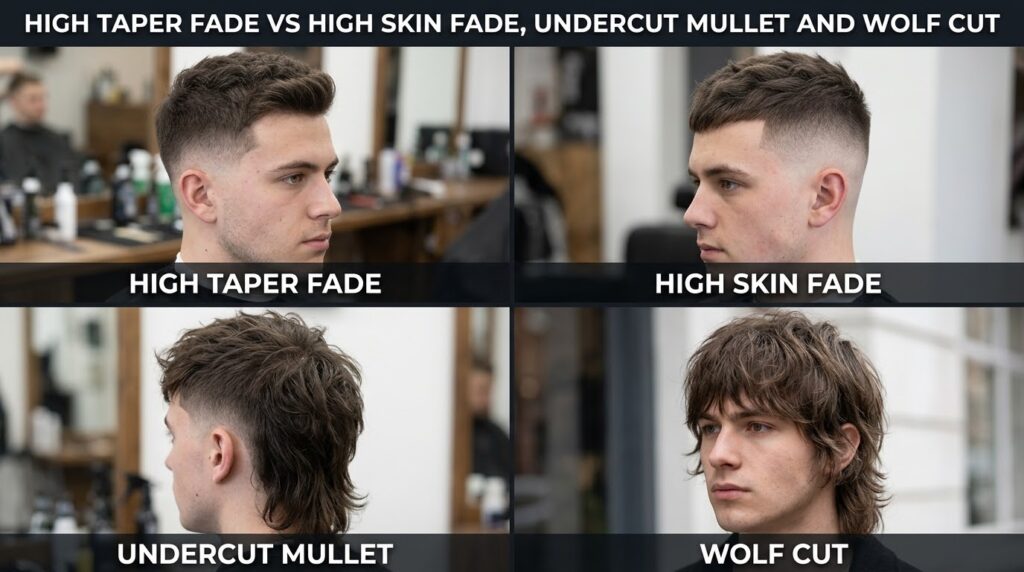
A high skin fade goes all the way down to bare skin. It is more extreme than a taper. A high taper fade keeps a small amount of hair at the bottom, so it feels softer and less stark.
An undercut mullet has a sudden drop between the top and the sides, with no blend. A wolf cut is shaggy and layered all over, with no clear fade at all. The taper mullet sits in between. It has a smooth blend and a clear tail.
Quick comparison:
- High taper mullet: blended sides and a long back
- High skin fade mullet: bare skin on the sides and a long back
- Undercut mullet: sharp drop with no blend
- Wolf cut: soft layers all around the head
Which high taper fade mullet style should you choose?
With so many options, choosing can feel hard. Start with your natural hair texture. Then think about length, front shape, and finish. This makes the choice much easier.
Here are 15 style ideas to inspire you in 2026:
| No. | Style | Best for |
| 1 | Classic high taper mullet with a textured top | Most hair types |
| 2 | Curly high taper mullet with a defined back | Curly hair |
| 3 | Straight hair mullet with a sleek finish | Straight hair |
| 4 | Wavy mullet with a messy fringe | Wavy hair |
| 5 | Short fringe mullet with a high taper | Neat, youthful look |
| 6 | Long tail mullet with a sharp taper | Bold personality |
| 7 | Burst taper mullet with a rounded back | Modern, curved shape |
| 8 | Mid taper mullet for a softer look | Daily wear |
| 9 | Low taper mullet for a subtle style | Work and school |
| 10 | Spiky textured mullet with a high taper | Short, active look |
| 11 | Slicked back mullet with a taper | Formal and clean |
| 12 | Curly mullet with a fade on the sides | Big volume |
| 13 | Shaggy mullet with a high taper | Relaxed, rock style |
| 14 | Neat mullet with a line-up | Sharp edges |
| 15 | Bold mullet with a hard part | Strong, defined look |
Choose by natural texture
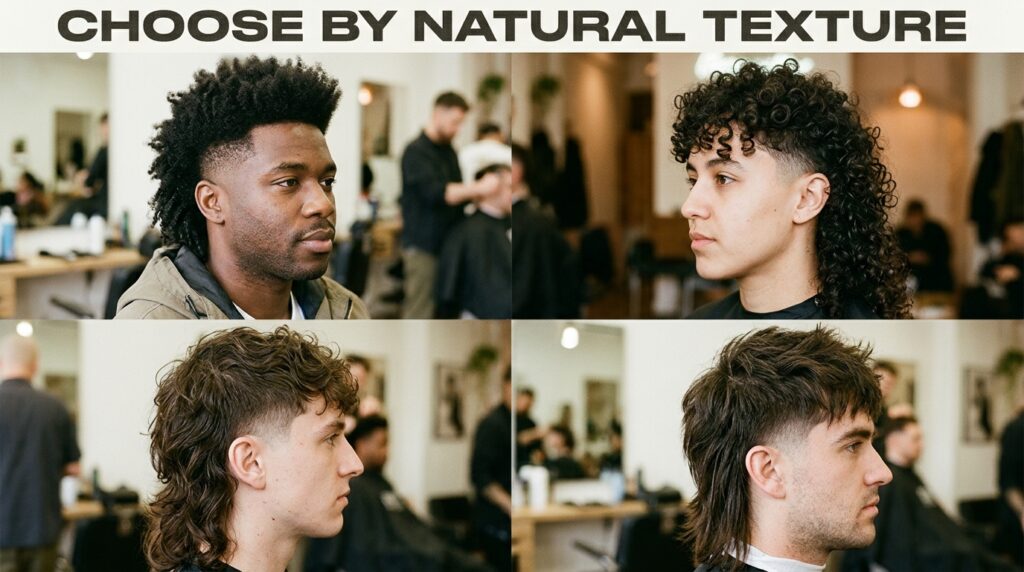
Your natural texture should guide your pick. Straight hair works well with a sleek or spiky mullet. Wavy hair suits a messy, relaxed style. Curly hair shines with a round, full tail.
For a high taper fade mullet on straight hair, keep the top lightly layered and add a texture spray. For a high taper fade mullet on curly hair, let the curls form the shape and keep the sides tight. Working with your texture saves time and gives a more natural result.
| Texture | Best style idea |
| Straight | Sleek tail with light layers |
| Wavy | Messy fringe with natural flow |
| Curly | Defined curls with a tight taper |
| Coily | Full tail with a sharp edge |
See More : Burst Fade with Beard
Choose by length and front shape
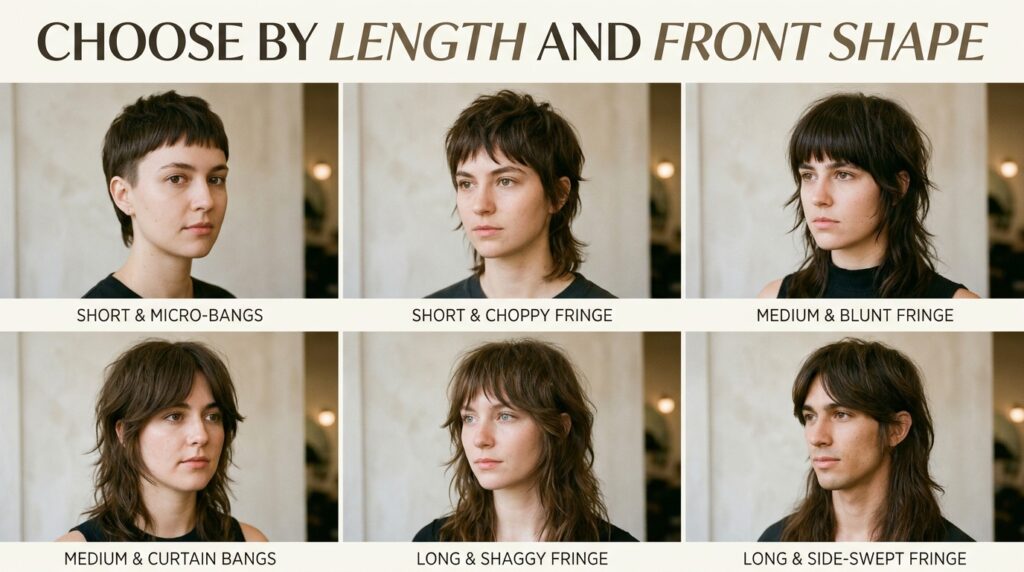
Length changes the whole mood of the cut. A short mullet looks tidy and modern. A medium mullet feels balanced. A long mullet looks bold and dramatic.
The front shape matters too. A short fringe looks clean and youthful. A long fringe adds a relaxed feel. A swept back front looks sharp and confident.
Options to think about:
- Short fringe for a neat look
- Textured crop for easy styling
- Long fringe for a soft effect
- Swept back front for a bold finish
Choose by finish and detailing
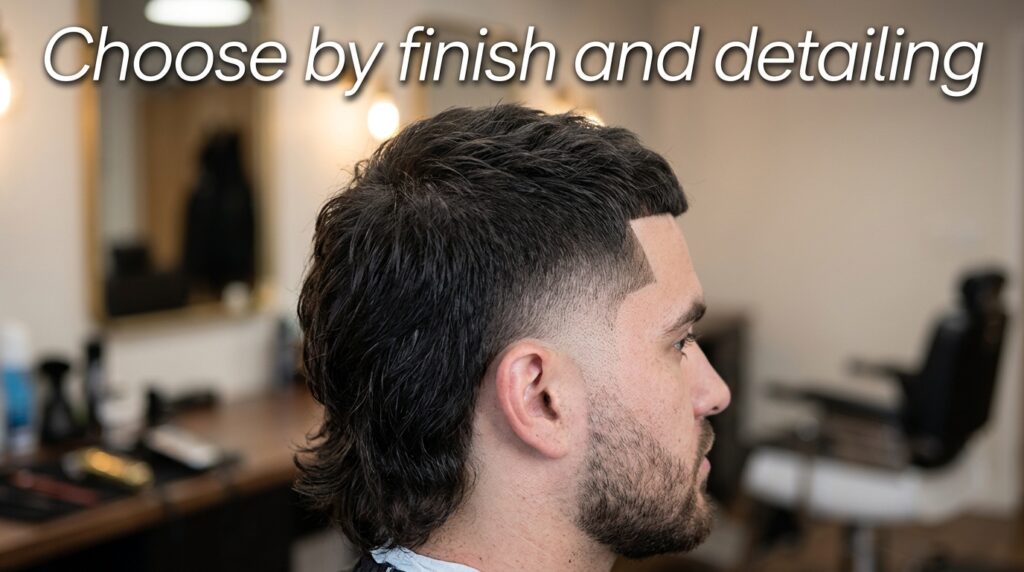
Finishing is how your hair looks after styling. You can go matte, shiny, messy, or sleek. Detailing adds extra flair, such as a line-up, a hard part, or a shaped neckline.
A clean line-up makes the cut look fresh. A hard part adds a sharp edge. A tapered neckline gives the tail a neat shape. Small details make a big difference, so decide on them before you sit in the chair.
How do you ask your barber for a high taper fade mullet?
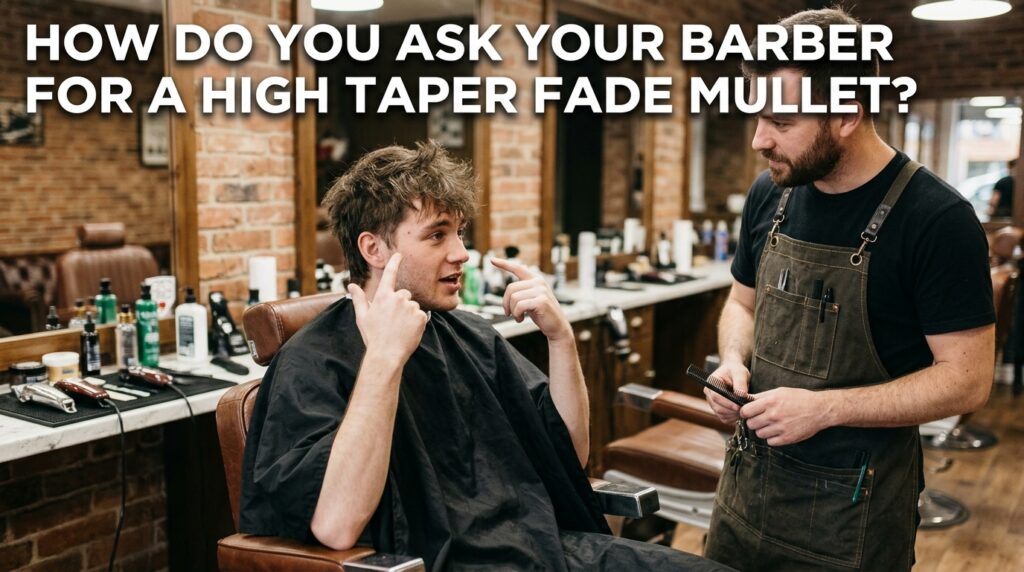
Many bad haircuts come from poor communication. Your barber cannot read your mind. A clear request saves time and helps you avoid mistakes.
Come prepared with both words and pictures. This makes the visit smooth for you and your barber.
Which details must you specify?
Tell your barber where the taper should start. Say how short the sides should be at the bottom. Mention how long you want the back to be.
Also describe the top. Say if you want layers, texture, or a fringe. Mention the shape of the neckline as well. The more you share, the less your barber has to guess.
Use simple measurements when you can. Barbers often use clipper guard numbers for the sides, such as a number 1 or a number 2 at the bottom of the fade. For the back, show with your fingers how many inches you want to keep. This turns a vague idea into a clear plan.
Details to share:
- Taper height: high, mid, or low
- Side length at the bottom
- Back length
- Top length and texture
- Neckline shape: rounded, square, or tapered
How should you use reference photos?
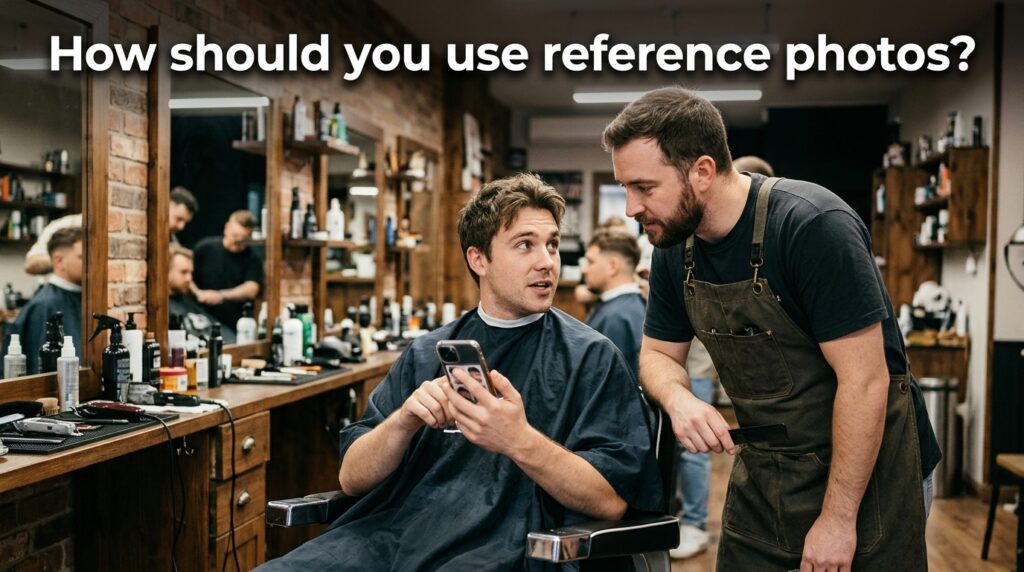
Photos are your best tool. Bring two or three pictures from different angles. Show the front, the side, and the back.
Choose photos of men with a hair type close to yours. A photo of straight hair will not help if your hair is curly. Point out what you like and what you do not like. This keeps expectations clear on both sides.
What should you say in the chair?
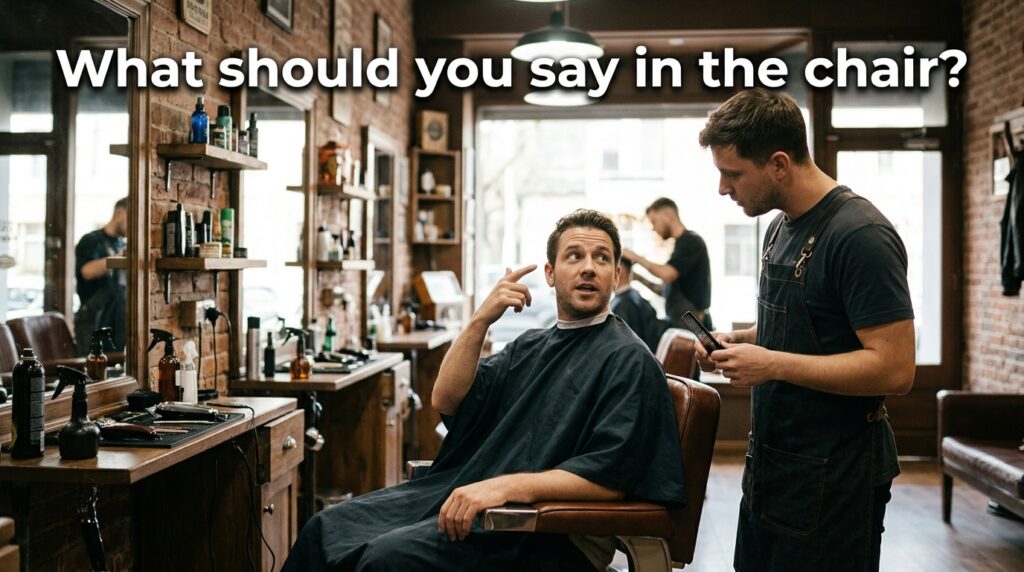
Keep your words simple and direct. You can say: “I want a high taper fade on the sides, with a long mullet at the back. Keep some texture on top.”
Ask questions too. Ask if your hair type will work with this cut. Ask how to style it at home. A good barber will give honest advice and adjust the plan.
How do you style a high taper fade mullet?
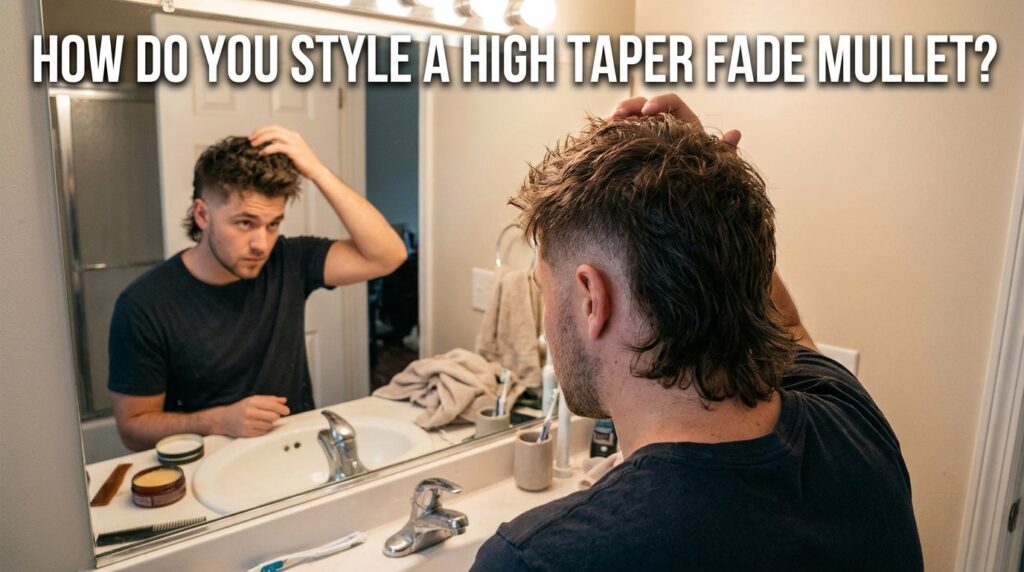
Styling brings the cut to life. The right product and technique make a big difference. Once you learn it, styling takes only a few minutes.
Start with clean, damp hair. Always style based on your texture.
How should straight or wavy hair be styled?
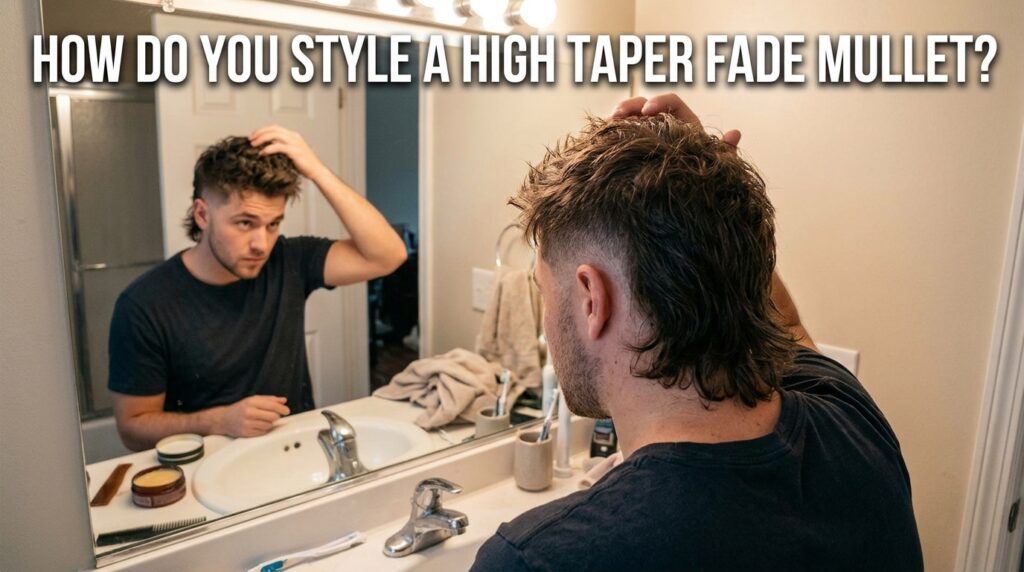
For a high taper fade mullet on straight hair, use a light product. Sea salt spray adds grip and body. Blow dry the top to give it lift, then finish with a small amount of paste.
Wavy hair needs less work. Scrunch in a light cream or mousse. Let it dry naturally or use a diffuser. Run your fingers through the tail to shape it.
Simple steps:
- Towel dry your hair
- Apply a light product
- Blow dry for shape
- Add paste or clay for texture
- Finish with a light spray
How should curly or coily hair be styled?
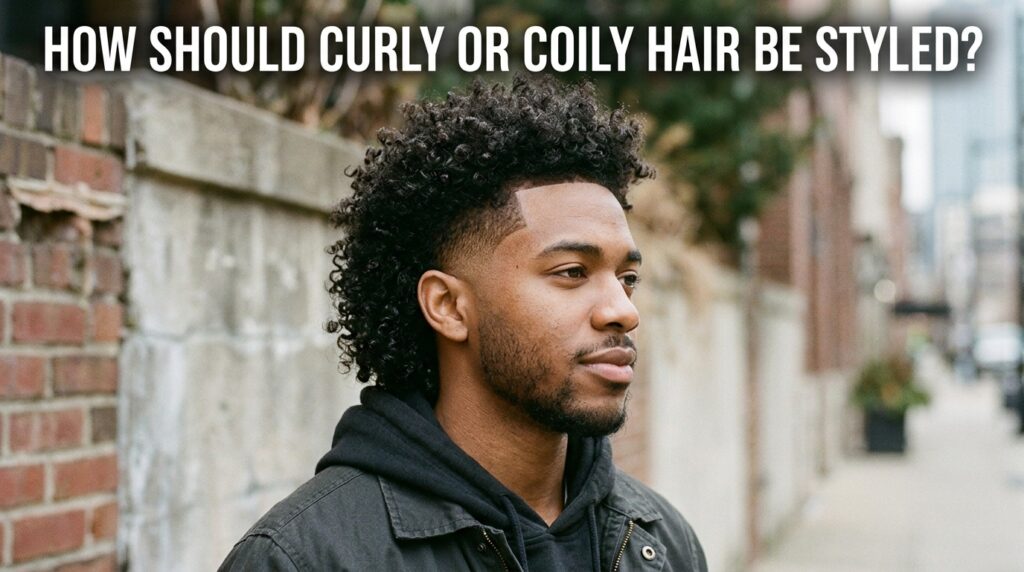
For a high taper fade mullet on curly hair, moisture is the key. Start with a leave-in conditioner. Then add curl cream or gel to define each curl.
Avoid brushing dry curls. Use your fingers or a wide-tooth comb. Diffuse on low heat or let your hair air dry. Keep the sides tight so the curls stand out.
Which product type matches the finish you want?

Different products give different looks. Choose based on the finish you want.
| Finish | Product | Result |
| Matte and textured | Clay or paste | Natural, messy look |
| Shiny and sleek | Pomade | Smooth, neat look |
| Light hold | Sea salt spray | Beachy, relaxed look |
| Defined curls | Curl cream or gel | Smooth, bouncy curls |
| Strong hold | Hair wax | Firm, lasting style |
Use a small amount first. You can always add more, but it is hard to take it out.
How often does a high taper fade mullet need maintenance?
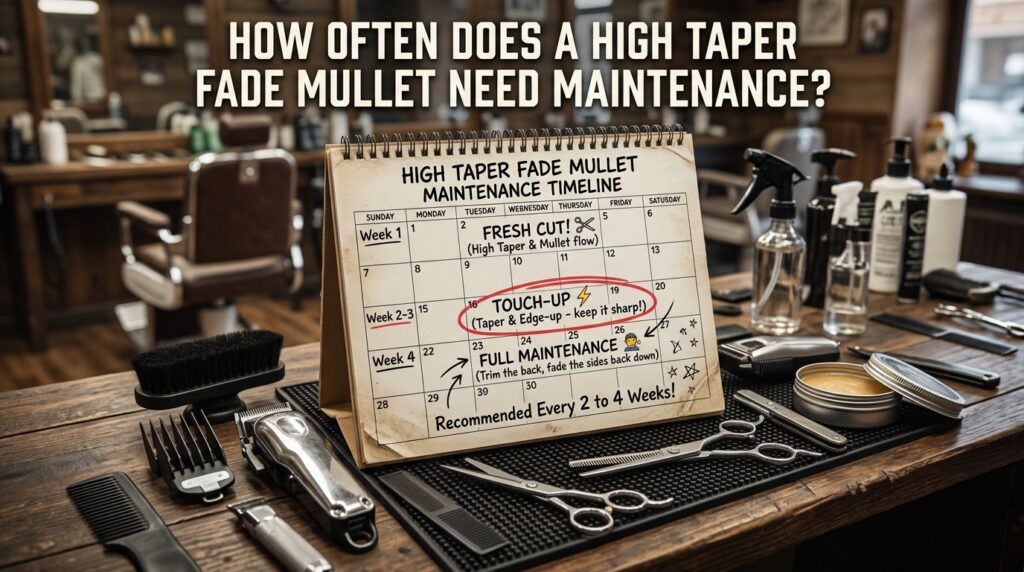
This cut needs regular care. The fade grows out quickly, and the sides lose their sharpness in a few weeks. Planning your visits keeps the style fresh.
The back needs less work. It can grow longer while the sides stay neat. That contrast is part of the charm.
How often should the fade and the back be touched up?
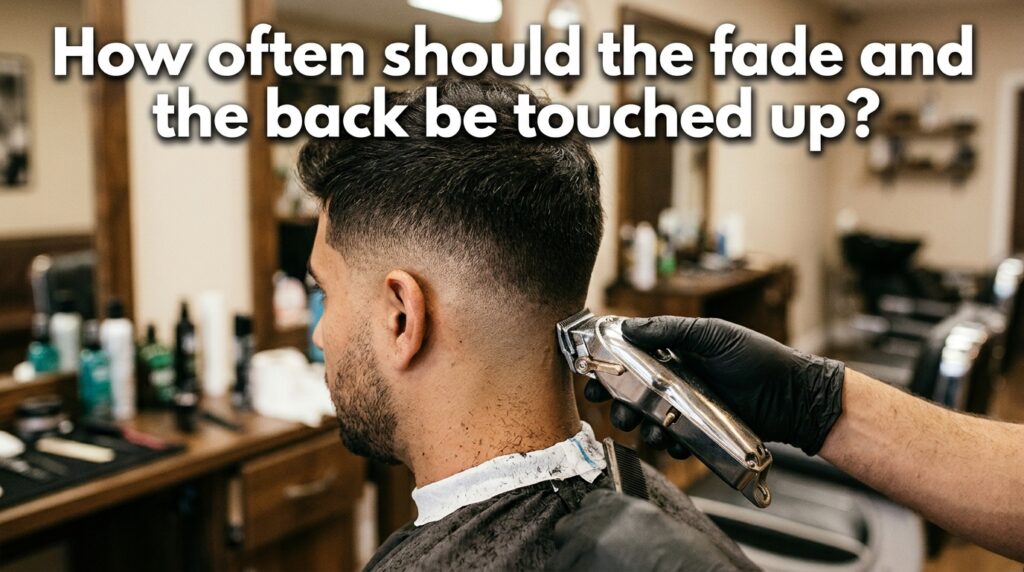
Visit your barber every 2 to 4 weeks for the fade. This keeps the taper clean. If you like a very sharp look, go closer to 2 weeks.
The back can wait longer. A trim every 6 to 8 weeks usually works. This keeps the tail shaped and removes split ends.
| Area | Touch-up time |
| Fade and taper | Every 2 to 4 weeks |
| Neckline | Every 2 to 3 weeks |
| Top | Every 4 to 6 weeks |
| Back and tail | Every 6 to 8 weeks |
What can you do between barber visits?
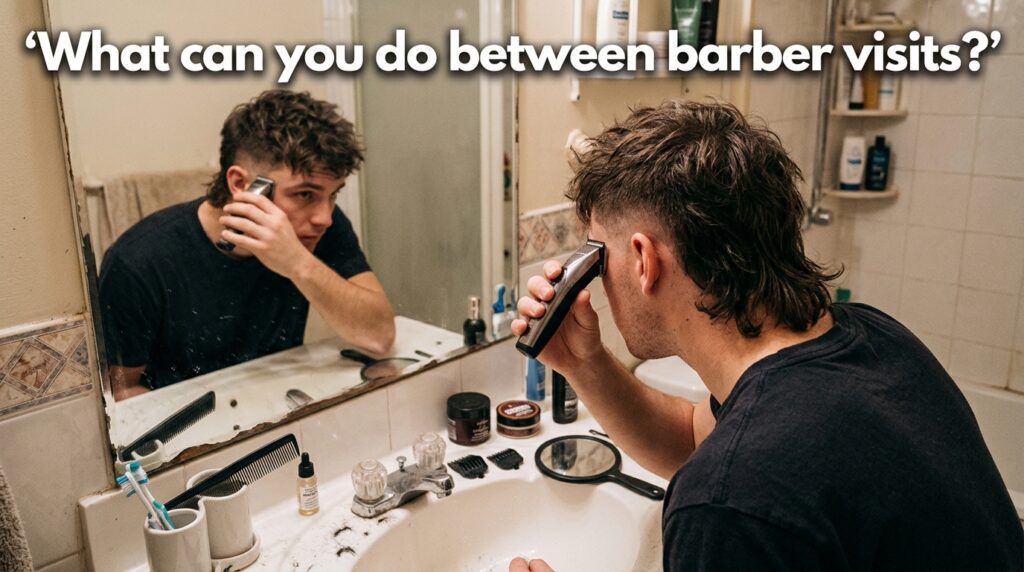
You can keep the cut tidy at home. Use a small trimmer to clean the neckline. Be gentle and do not cut too high.
Wash your hair often, but not every day. Use a good shampoo and a conditioner. Keep a comb handy to shape the tail. These small habits keep the cut sharp for longer.
Sleep matters too. A loose tail can tangle on a rough pillow. A silk or satin pillowcase reduces frizz and keeps the shape smooth in the morning. It is a small change that costs very little.
Easy home habits:
- Clean the neckline with a trimmer
- Use conditioner to keep the tail soft
- Brush or comb your hair daily
- Avoid heavy products that weigh hair down
What if close fading irritates your skin?
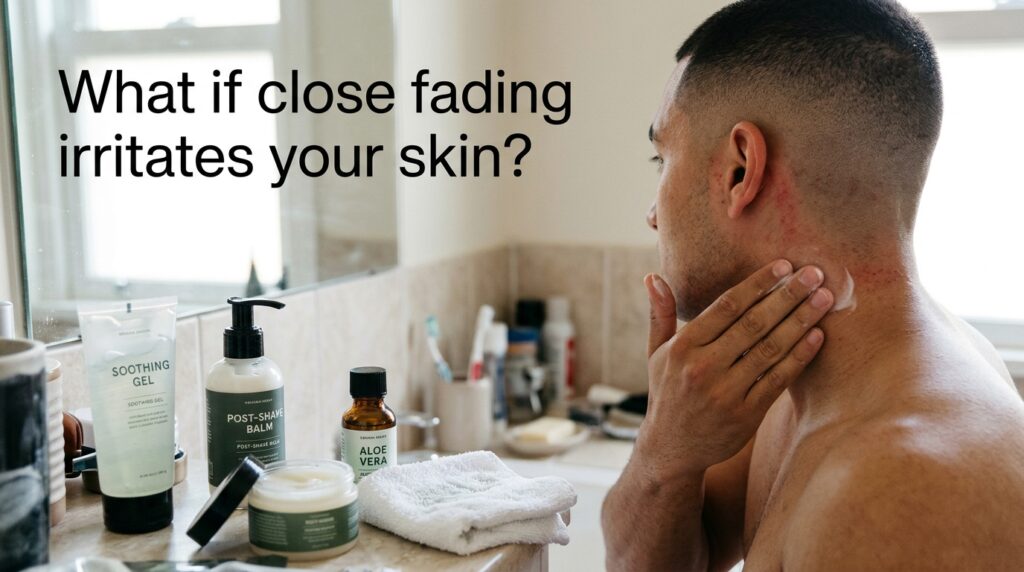
Close fades can cause redness or small bumps. This is common, especially around the neck. It happens because of friction and tiny nicks from the clipper.
Ask your barber to use a clean blade and a gentle finish. Apply a calming aftershave balm. Avoid scratching the area. If the problem stays, choose a mid or low taper for less irritation.
How do you grow into a high taper fade mullet?
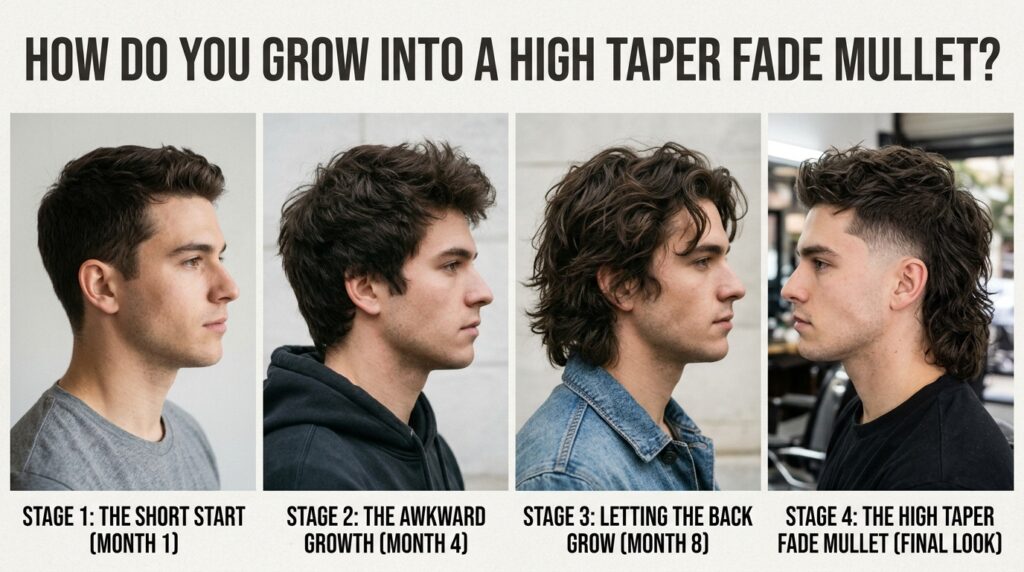
Growing a mullet takes patience. The back needs time to grow, and the sides need to stay short. The trick is to trim the sides while you let the rest grow.
Hair grows about half an inch each month. A long tail can take several months. Plan your grow-out with your barber so you stay on track.
What if you are starting from a short haircut?
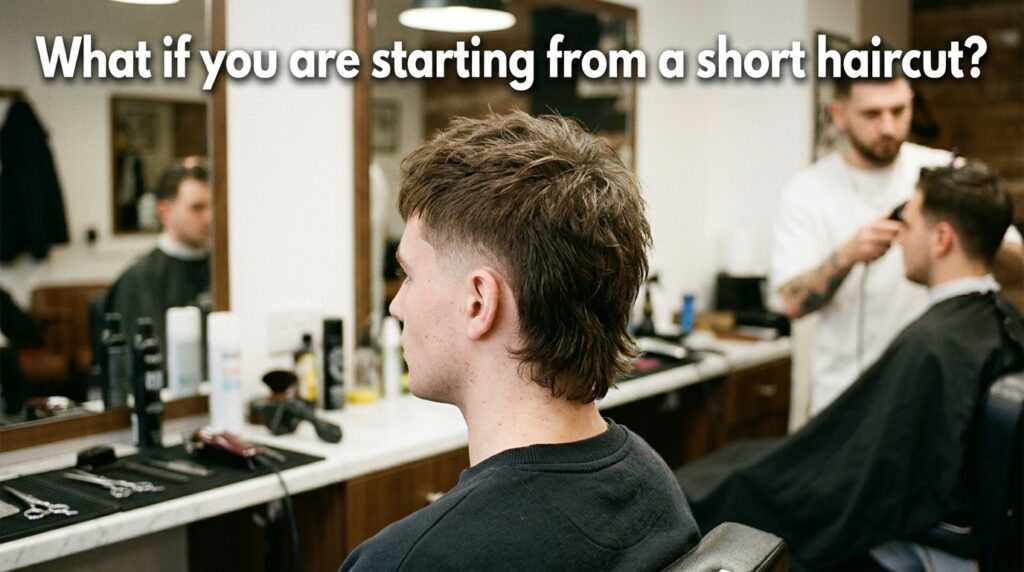
Start by letting the top and back grow. Keep the sides tapered with regular visits. Avoid cutting the back for a few months.
When you have enough length, ask your barber to shape the tail. Use this time to learn which products work for you. Stay patient, because the final result is worth the wait.
Growth timeline:
- Month 1 to 2: Keep the sides short and grow the back
- Month 3 to 4: A tail starts to form
- Month 5 to 6: Shape the mullet with your barber
How do you handle the awkward grow-out stage?

The middle stage can look messy. The hair is too long for a short cut but too short for a mullet. This is normal, and everyone goes through it.
Use styling products to control the shape. Wear a hat or headband if needed. Keep the sides tidy, because that hides most of the mess. Do not give up early.
Helpful tips:
- Trim only the sides and neckline
- Use texture products for shape
- Keep your hair clean and healthy
- Be patient and stay consistent
Mullet with high taper
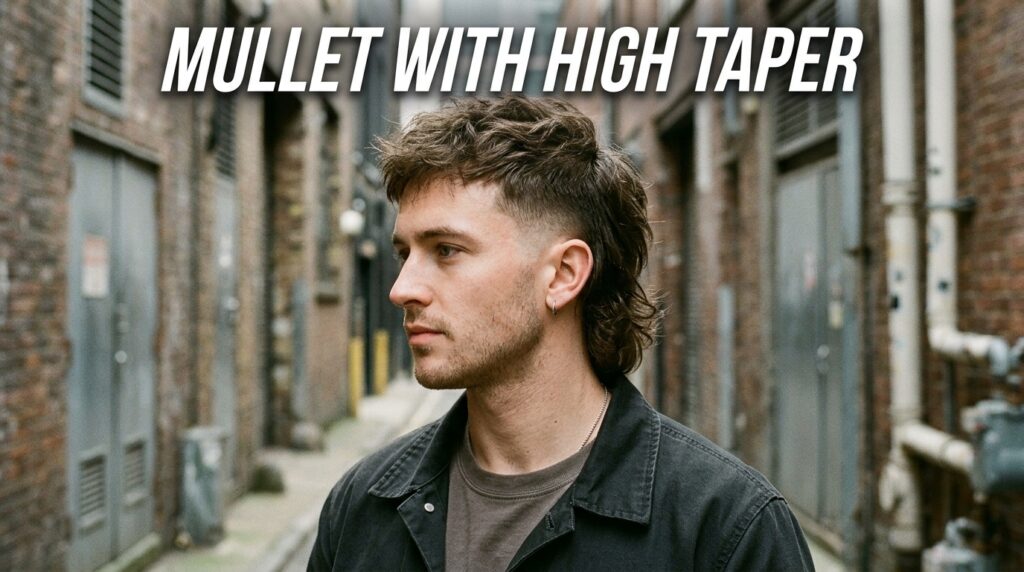
A mullet with high taper puts the fade high on the sides. This creates a strong contrast against the long back. It is a bold style that draws attention.
Ask your barber to blend the taper smoothly. A clean blend makes the cut look polished. This version suits men who want a standout look.
Pair it with a textured top for the best balance. A flat top can make the high taper look too severe. A little volume and movement on top softens the contrast and keeps the whole cut lively.
High taper fade with mullet
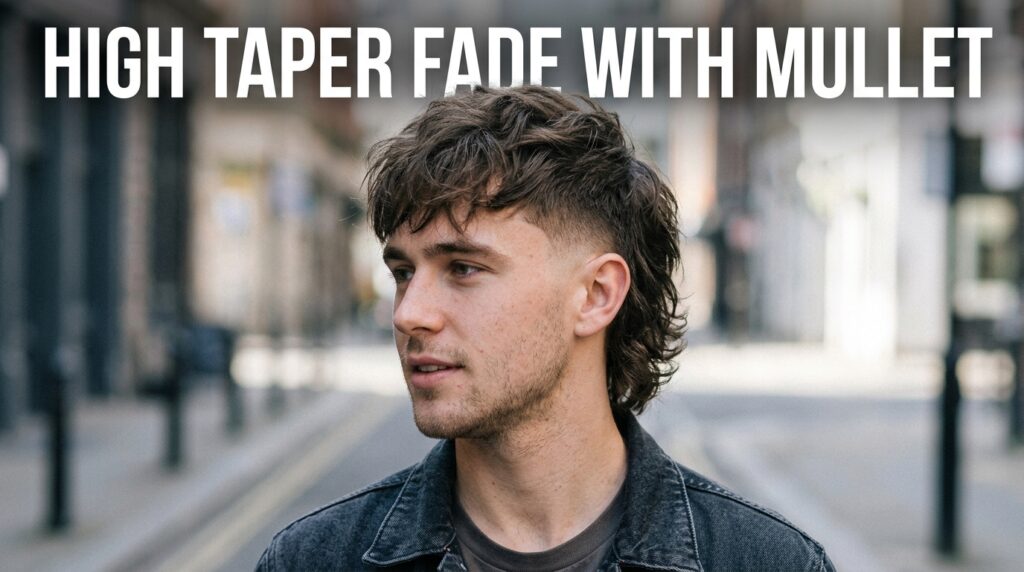
A high taper fade with mullet is another way to describe the same haircut. The focus is on the fade first, then the mullet. It looks neat, sharp, and modern.
The fade frames the face and shows off the jawline. The mullet adds personality at the back. Together they create a balanced and trendy style.
Mullet high taper
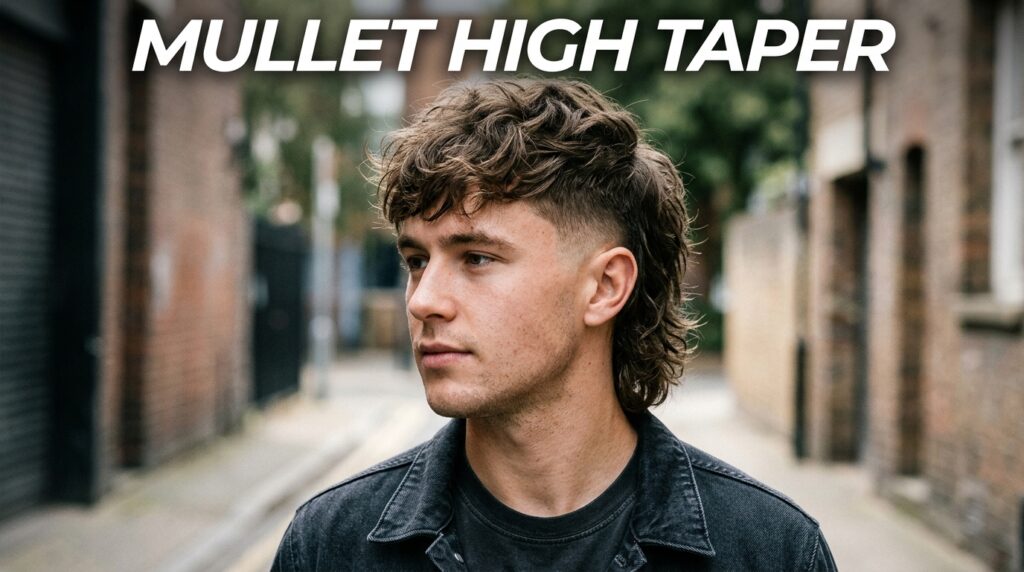
Mullet high taper is a short phrase many people use to search for this cut. It means a mullet with a taper that starts high. You can use any of these names when you talk to a barber.
The result stays the same: clean sides and a longer back. Show a photo to be sure your barber understands your idea.
High taper fade mullet
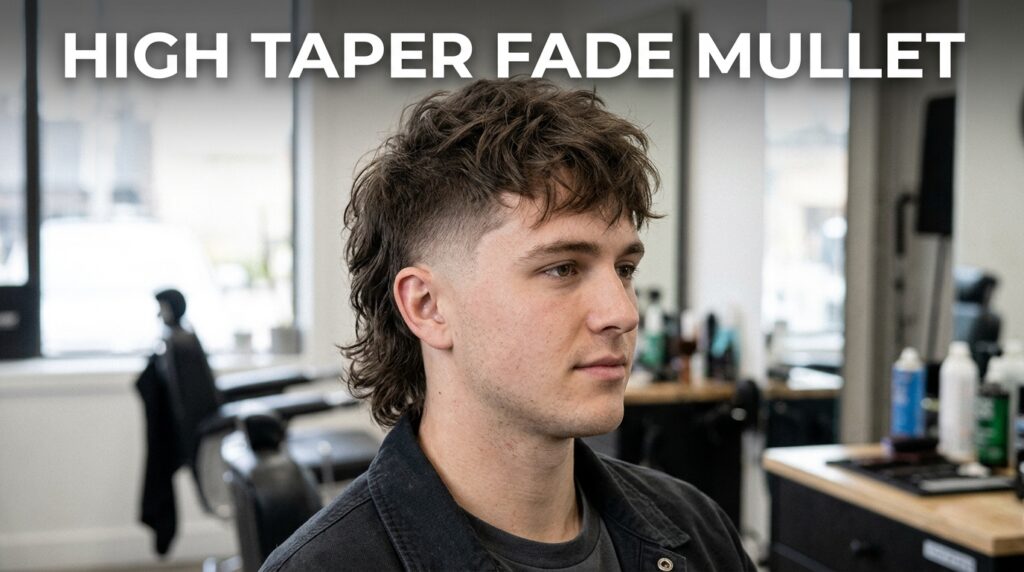
The high taper fade mullet is the main style in this guide. It joins a high taper with a long tail. It looks sharp, current, and easy to wear.
You can pick a short, medium, or long version. You can also add details like a line-up or a hard part. It is flexible and works with many hair types.
High taper mullet
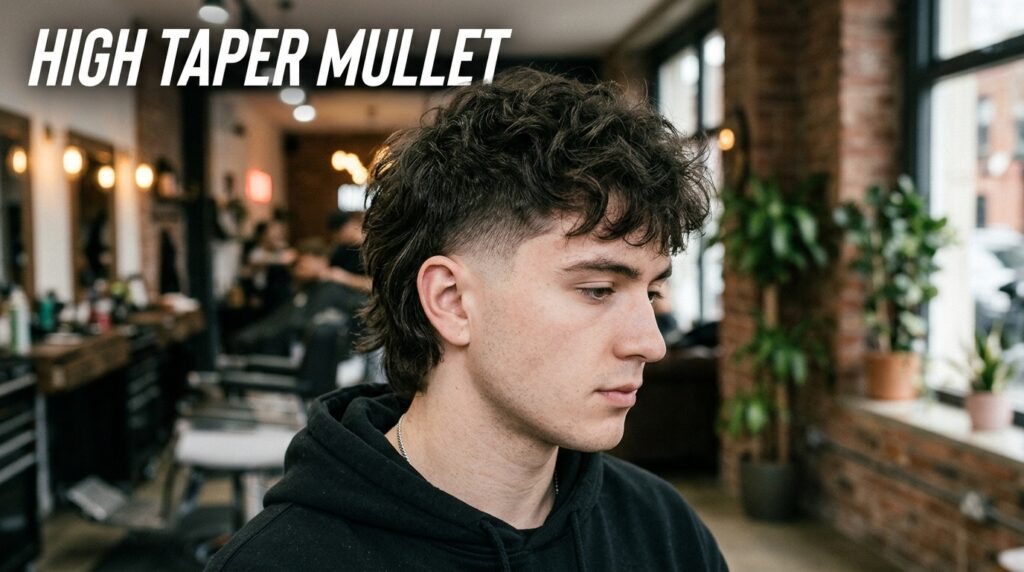
A high taper mullet is the shortest name for this look. It keeps the focus on two key features: a high taper and a mullet back. It is simple and easy to remember.
Use this name when you talk to your barber. Add a few extra details about length and texture. That helps you get the exact style you want.
Mid taper mullet
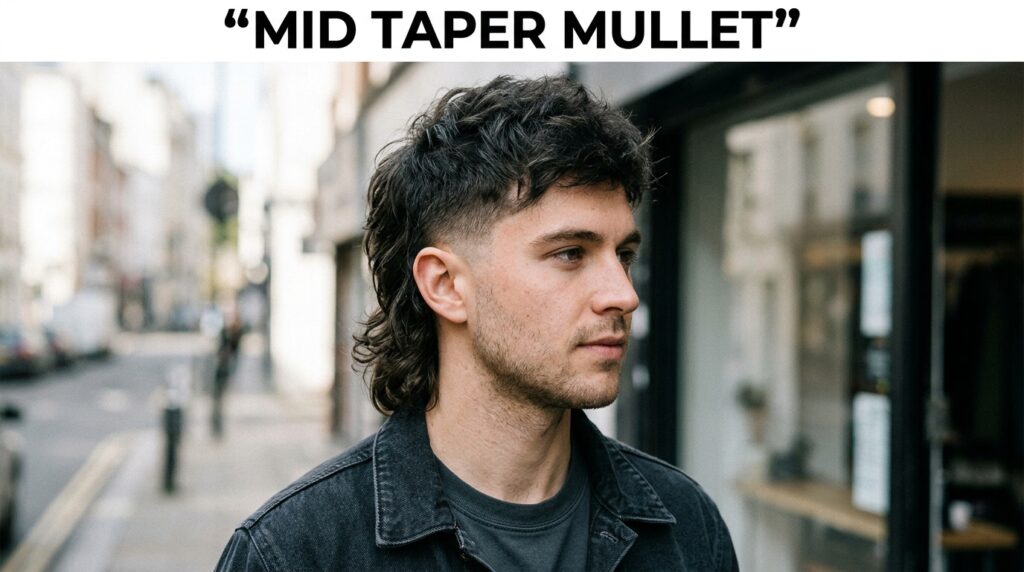
A mid taper mullet starts the fade around the ear. It gives a softer contrast than the high version. It is a good choice if you want a bold mullet without too much drama.
This cut works well for daily life and most workplaces. The sides stay a little fuller. The mullet tail still gives you plenty of style. It suits most face shapes and hair types.
It is also a good test run. If you are not sure about a high taper, try the mid version first. You can always ask your barber to go higher at the next visit. Going up is easy, but going back down means waiting for hair to grow.
Low taper mullet
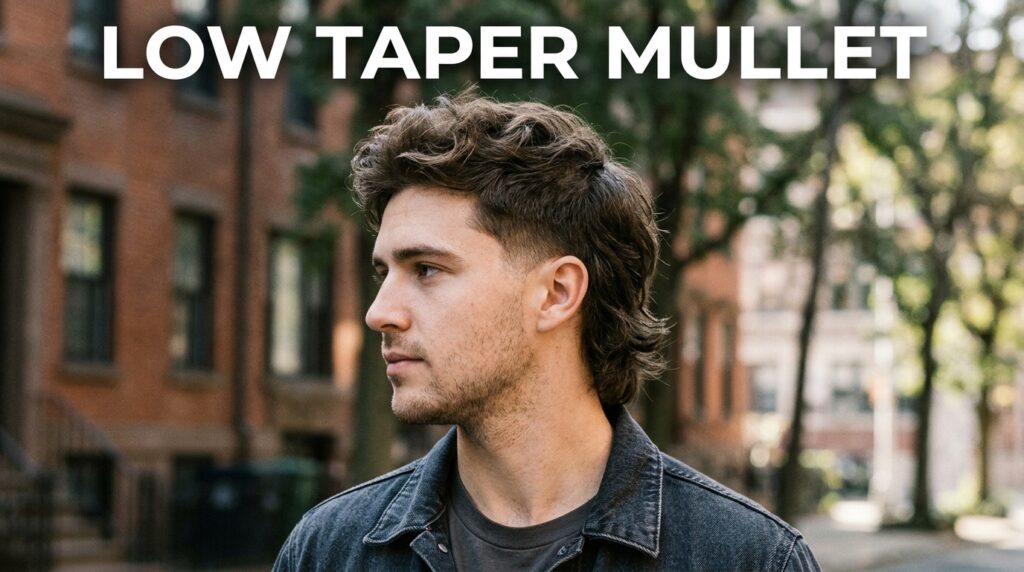
A low taper mullet is the most subtle choice. The taper starts near the neck and ears. It leaves more hair on the sides, so it looks calm and natural.
This version is great for beginners. It is easy to maintain and stays neat for longer. It is also a safe pick for conservative settings. You still get the mullet shape without a strong fade.
Because the sides keep more length, the grow-out is gentle. You can stretch your visits to every 4 to 5 weeks. That makes it a smart choice for busy men who still want a modern, stylish look.
High taper fade mullet straight hair
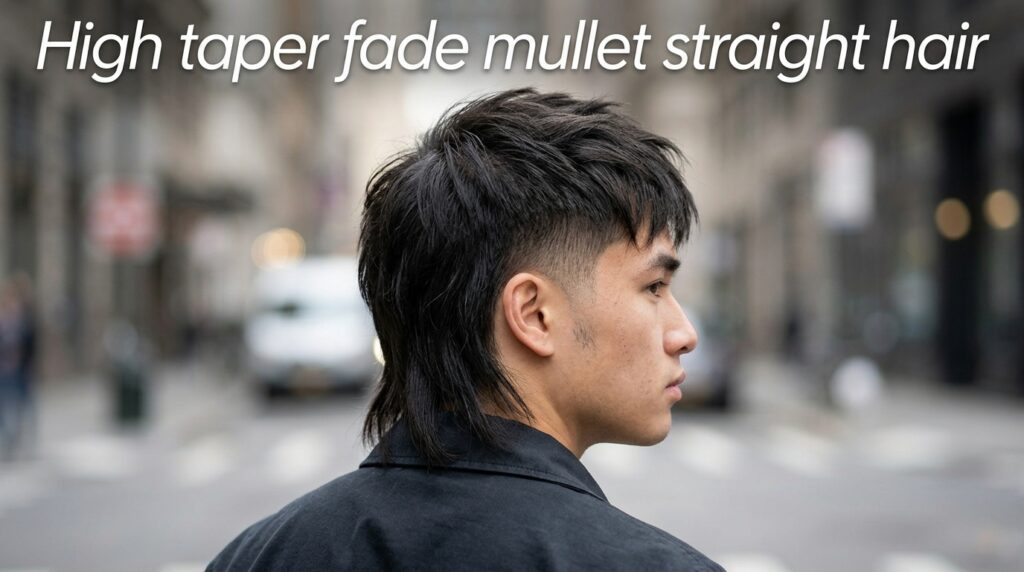
Straight hair gives a sleek and clean mullet. The tail falls smoothly and looks sharp against the fade. This look is neat and modern.
Straight hair can look flat on top. Add a texture spray or a light paste for the body. Ask your barber for light layers so the hair does not look too heavy.
Quick tips for straight hair:
- Use sea salt spray for grip
- Add layers to avoid a flat look
- Blow dry the top for lift
- Keep the tail neat and trimmed
High taper fade mullet curly hair
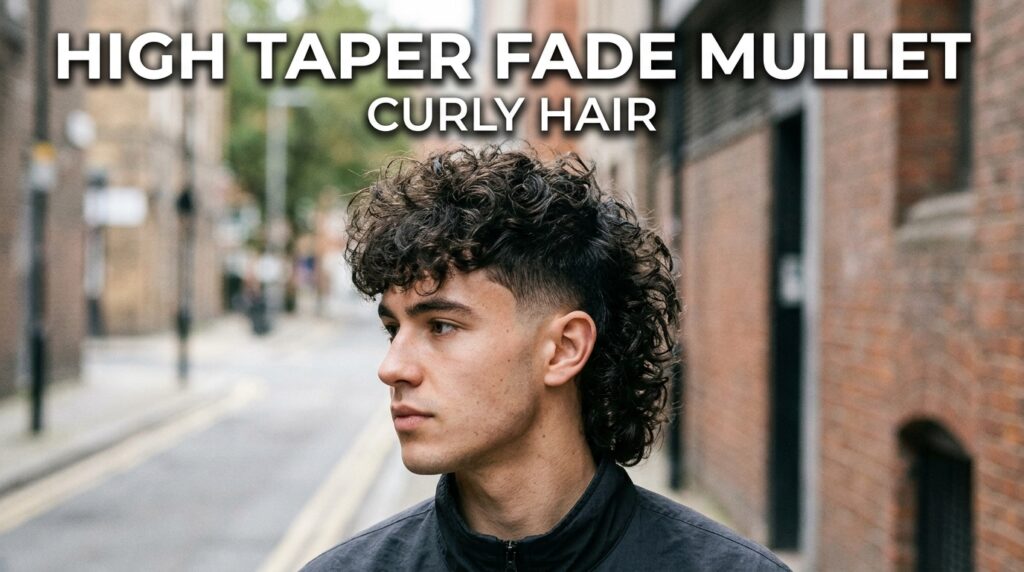
Curly hair gives the mullet a lot of volume and shape. The curls on top and at the back look full and fun. A tight taper on the sides makes the curls stand out even more.
Keep curls hydrated with a leave-in cream. Avoid over-washing, because it dries them out. Ask your barber to cut curls when they are dry so the shape stays right.
Quick tips for curly hair:
- Use curl cream or gel
- Do not brush dry curls
- Diffuse or air dry
- Trim often to avoid frizz
Mid taper fade mullet
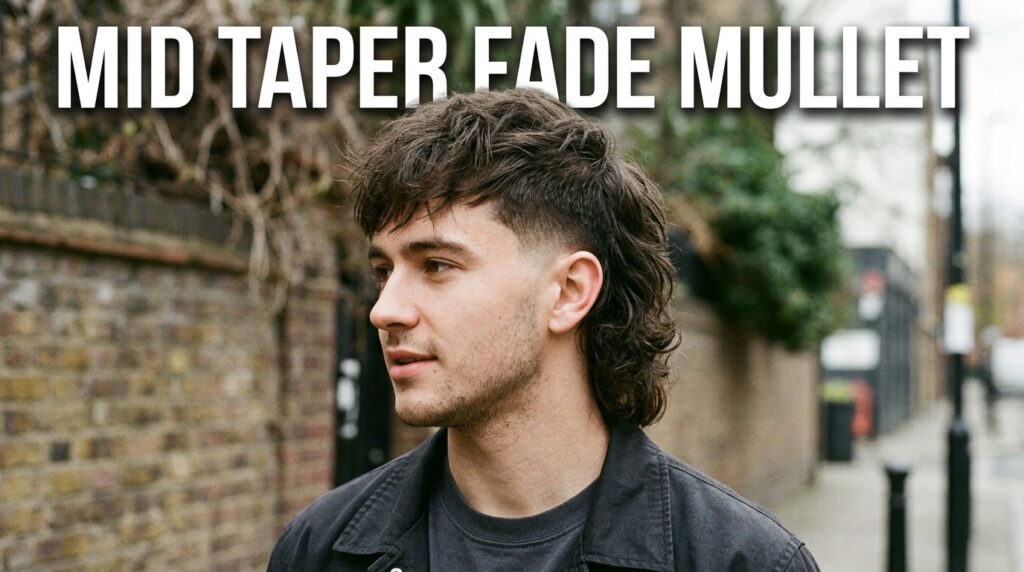
A mid taper fade mullet gives you a medium contrast. The fade starts at the ear and moves down. It looks balanced and not too harsh.
This cut is easy to keep. It grows out more gently than a high taper. It is a smart middle path for men who want a mullet with less upkeep.
Low taper fade mullet
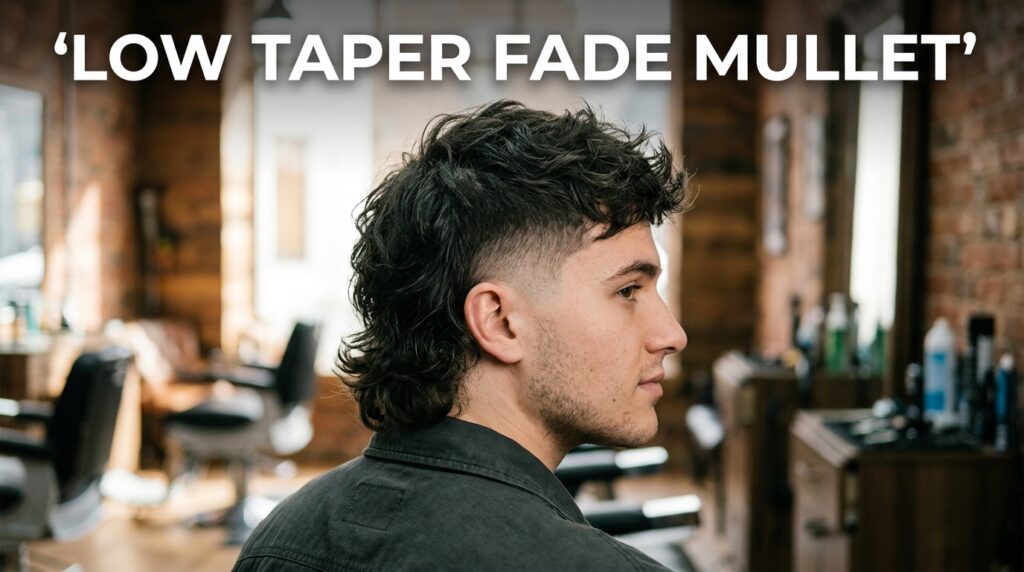
A low taper fade mullet keeps the fade very low and soft. It is subtle and clean. The mullet tail stays the star of the look.
This is the easiest version to wear to work or school. It needs fewer barber visits. It is a good starting point if you are new to mullets.
High taper fade mullet men
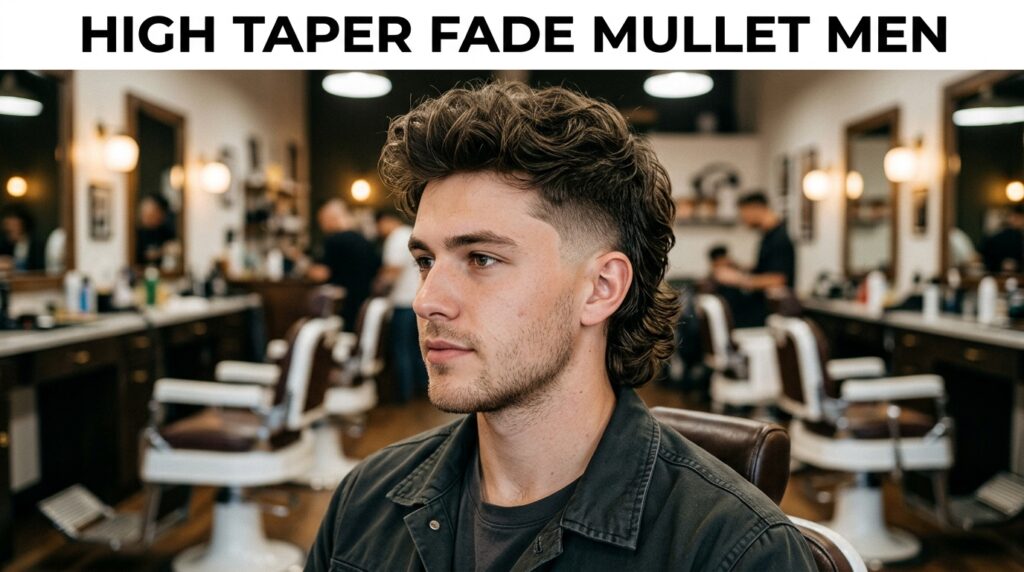
Men of all ages are choosing this cut in 2026. It suits young men who want a trendy look. It also works for older men who like a clean and bold style.
The cut is flexible. You can dress it up or keep it casual. With the right style and care, it looks confident and sharp. Choose the version that fits your face, your hair, and your lifestyle.
It also pairs well with other grooming choices. A short beard or clean stubble adds structure to the jaw. A full beard can balance a long tail. Clean-shaven looks sharp too. Pick what feels natural to you, and the mullet will do the rest.
| Age group | Easy way to wear it |
| Teens and young adults | Shaggy tail with a messy fringe |
| Men in their 30s | Textured top with a neat line-up |
| Men in their 40s and above | Short tail with a clean, tidy taper |
Frequently Asked Questions
What is a high taper fade mullet?
It is a haircut with short, tapered sides that start high near the temple and a longer back. The top is usually textured.
Is a high taper fade mullet good for curly hair?
Yes, it works very well. Curls add volume to the top and back, and a tight taper makes them stand out.
How often should I get a high taper fade mullet trimmed?
Get the fade touched up every 2 to 4 weeks. Trim the back every 6 to 8 weeks.
What is the difference between a high taper and a low taper mullet?
A high taper starts near the temple and looks bolder. A low taper starts near the neck and looks softer.
How long does it take to grow a mullet?
Most men need 4 to 6 months to grow a full mullet. Hair grows about half an inch each month.
What should I tell my barber to get a high taper fade mullet?
Say you want a high taper on the sides and a long mullet at the back. Share photos and mention length and texture.
Does a high taper fade mullet work for straight hair?
Yes, it looks sleek and clean on straight hair. Add light layers and a texture product for the body.
Final Thoughts
The high taper fade mullet blends clean sides with a bold back. It works for many hair types and face shapes. The key is to pick the right taper height, length, and finish for you.
Good communication with your barber and steady care keep the cut sharp. Take your time during grow-out and style it with the right products. With a little effort, this haircut can become your signature look.

Ronan Mercer is a measurement focused content writer and researcher at Only Faxhion. He creates clear, practical articles about units, sizes, dimensions, conversions, and measurement concepts, helping readers understand everyday measurement topics through well researched and easy to follow explanations.